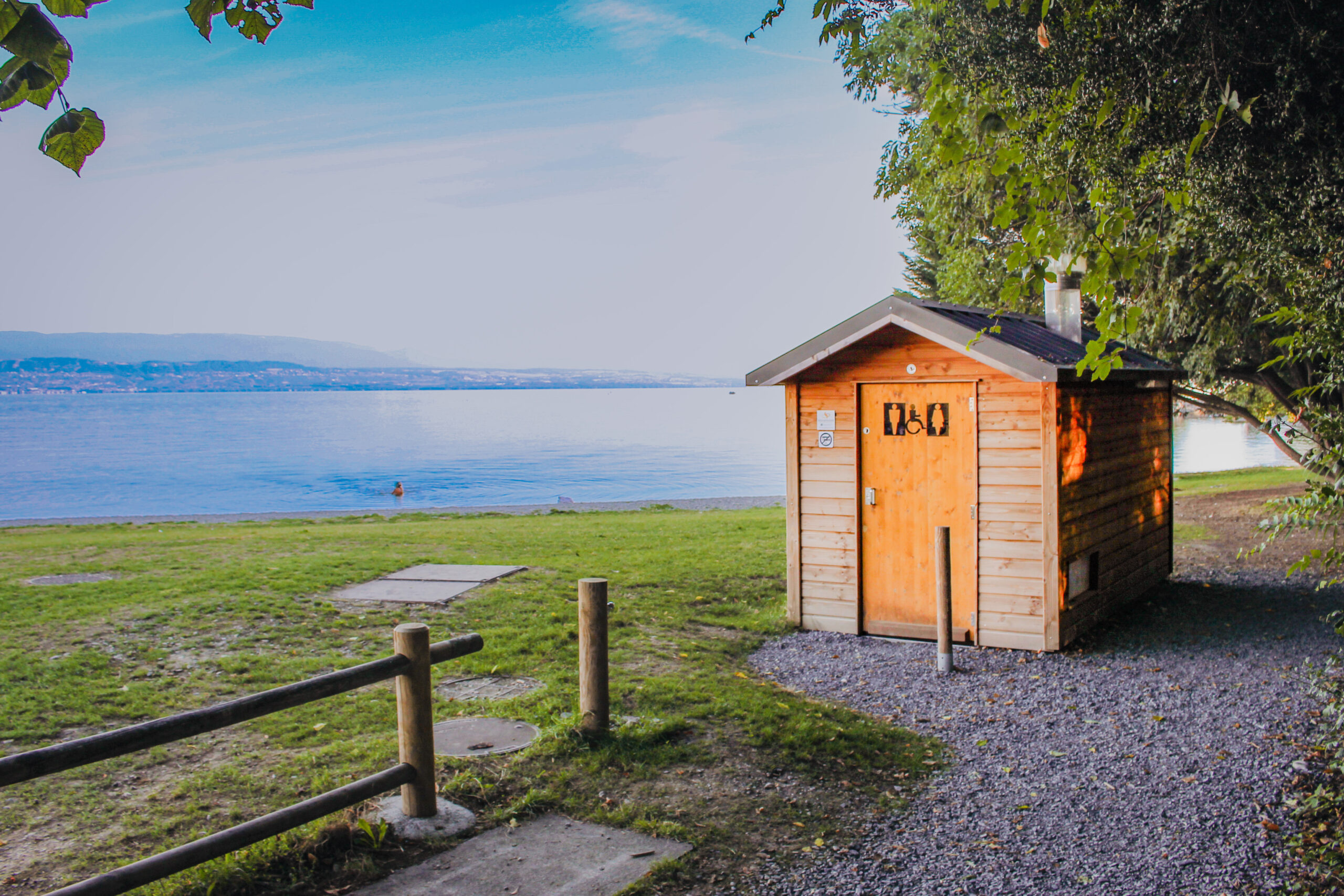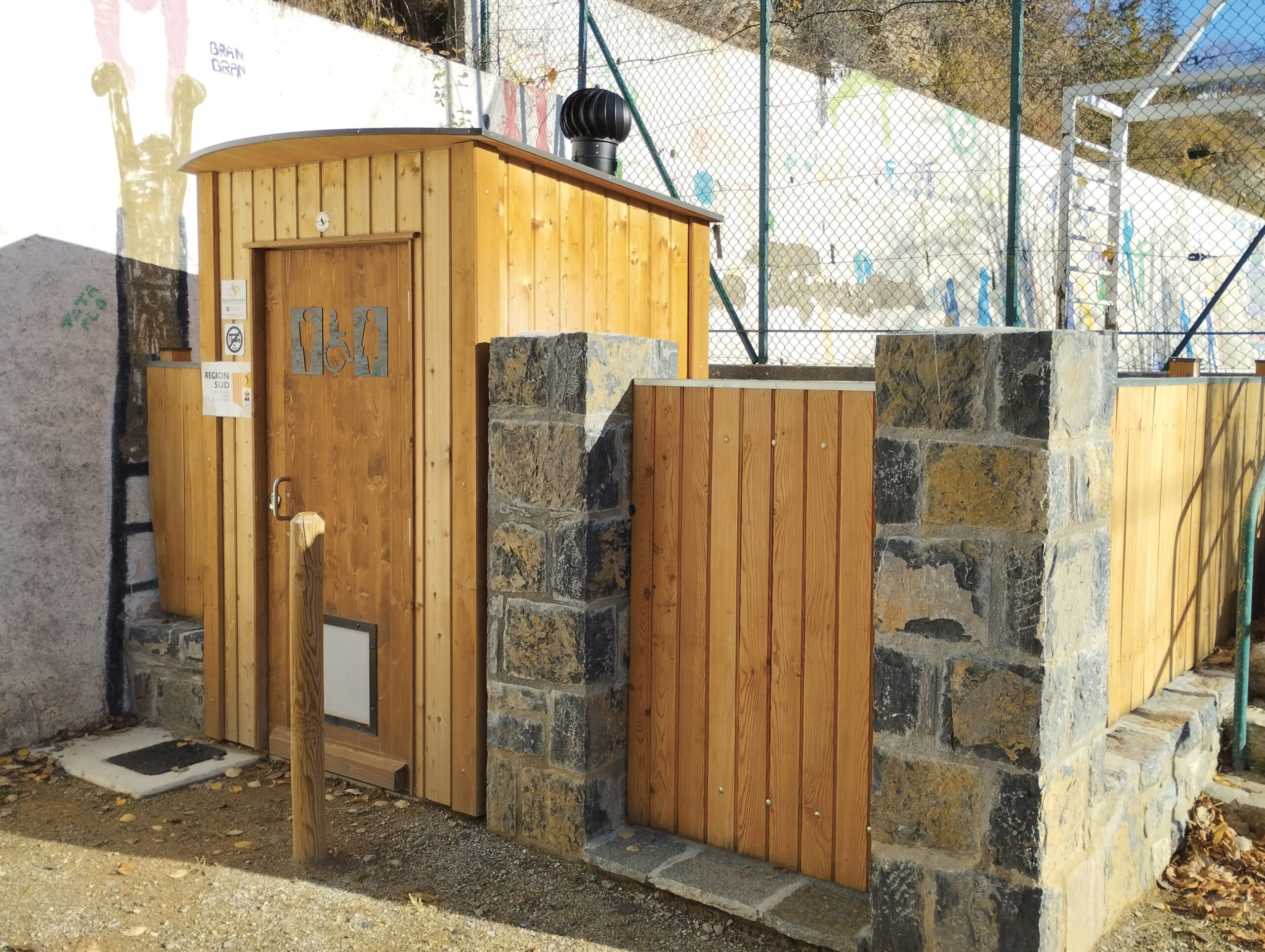

A dry toilet project for a public space or a commercial site cannot be improvised. It follows a precise process, with clearly defined steps, designated points of contact, and decisions that must be made in the correct order. SANISPHERE has structured its approach around this process: from the initial needs analysis through to commissioning, each phase of the project is carefully managed to avoid unpleasant surprises and ensure that the system is fully operational from day one.
Here’s how an installation project with SANISPHERE works:
Step 1: Define the need and the context of use
It all starts with a thorough assessment of the site. What type of space is it: a nature park, rest area, recreation center, event venue, or hiking trail? What is the expected visitor traffic, during which season, and when are the peak usage times? What are the constraints regarding access to the site, the weather conditions, and the proximity or lack of utility networks?
This phase determines all subsequent decisions. A site with 500 visitors per day in the summer requires a different solution than a little-used trail in a mountainous area. Taking the time to ask these questions early on helps avoid costly adjustments after installation.
Step 2: Choose the right SANISPHERE solution
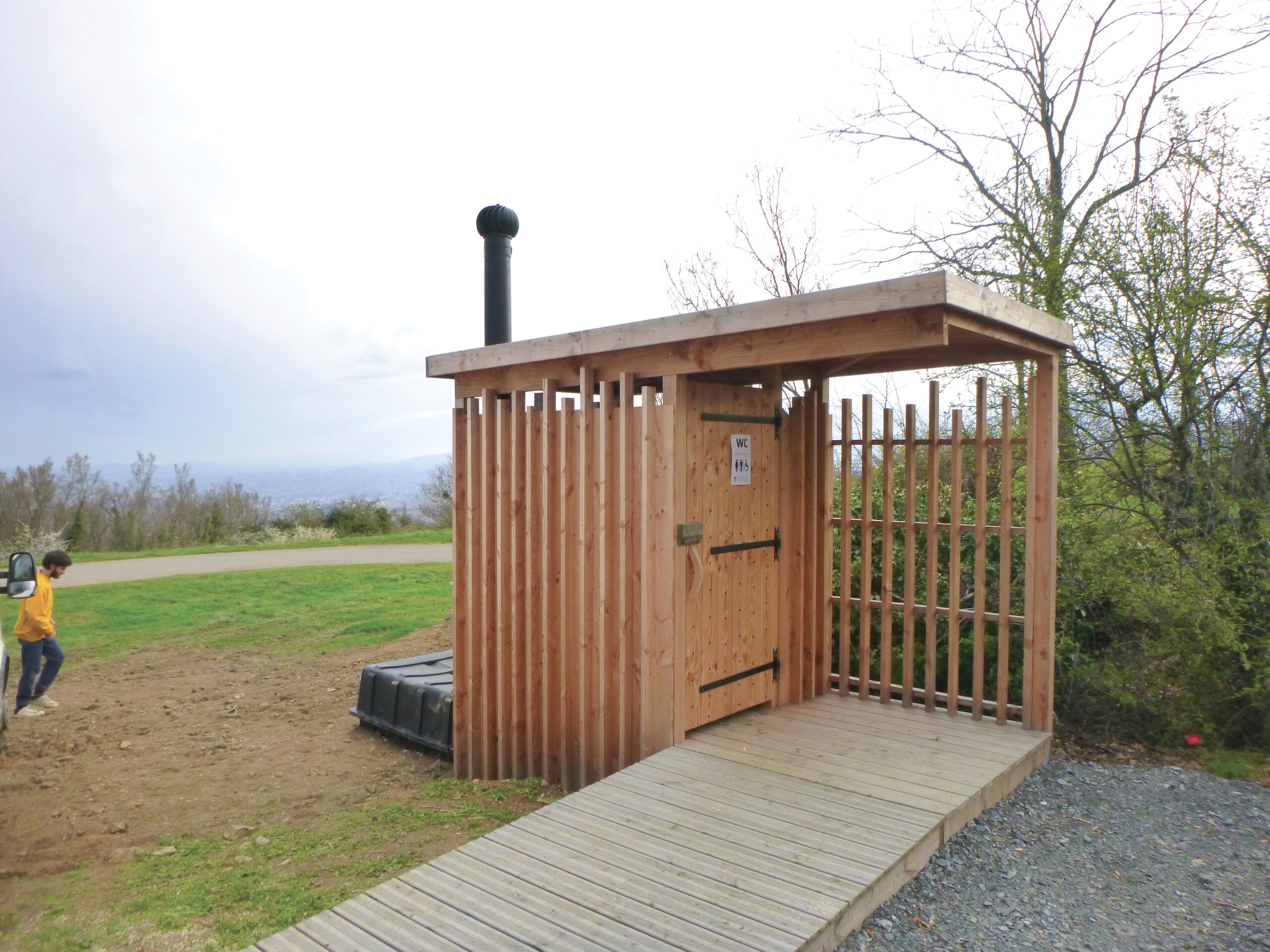
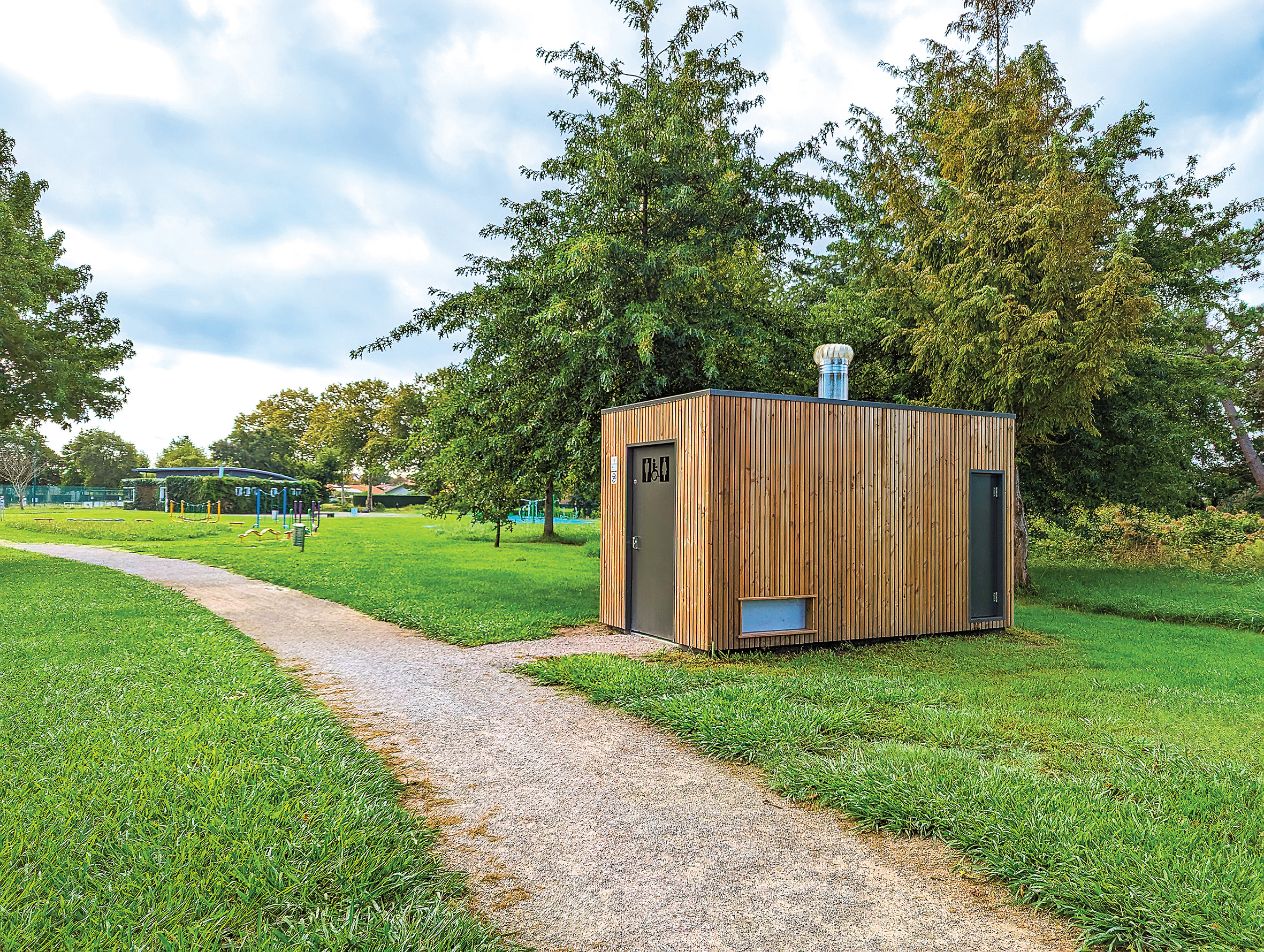
SANISPHERE offers several models, which differ in capacity, mobility, and design. The choice of model is not left to chance: it is based on the site profile established in the previous step.
Mobility or a permanent installation? A treatment capacity suited to the expected volume of visitors? Visual integration into the site’s surroundings? These criteria are addressed collaboratively with the SANISPHERE teams, who guide decision-makers through this process rather than simply presenting them with a catalog to decipher on their own.
Step 3: Study the on-site layout
Once the model has been identified, it is necessary to determine exactly where and how it will be positioned. This site analysis takes into account the topography of the site, pedestrian traffic patterns, visibility, and accessibility for users, as well as constraints related to rotation and maintenance.
Improper positioning can compromise usability, complicate maintenance work, or cause unexpected problems. This step is often overlooked in unsupervised projects: SANISPHERE incorporates it into its standard procedure.
Step 4: Prepare the logistics and schedule
Installing a professional dry toilet requires logistical planning: transporting the equipment, preparing the site, coordinating with the various parties involved, and factoring it into the manager’s operational schedule.
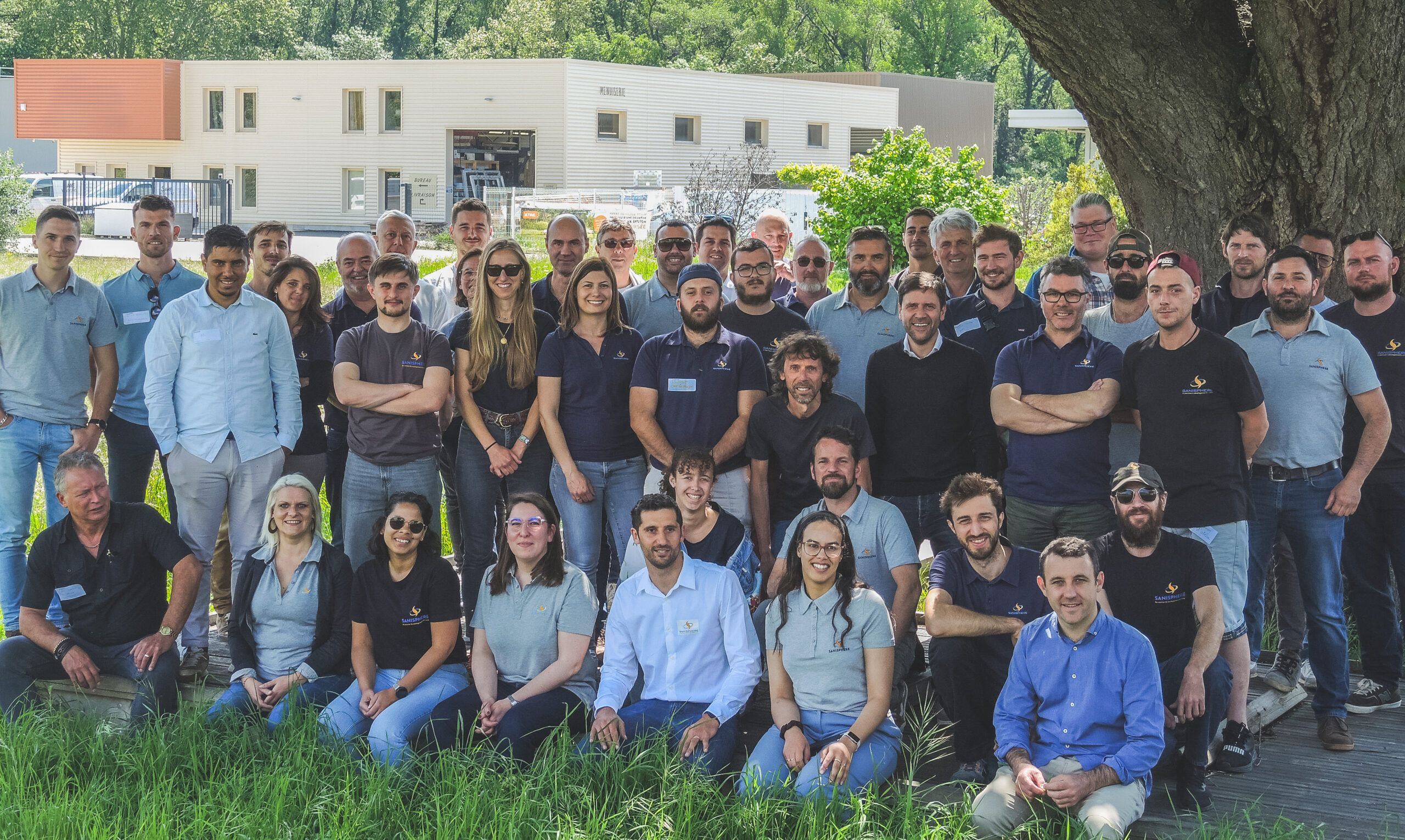
SANISPHERE handles this coordination. The site manager, if they so choose, does not have to manage multiple service providers or anticipate technical constraints beyond their control. The goal is to deliver a turnkey installation without the project leader having to get involved in operational details.
Step 5: Complete the installation
At suitable locations, installation can be completed in a single day. This speed is a real advantage for managers who cannot tie up a space for long periods, especially during peak times.
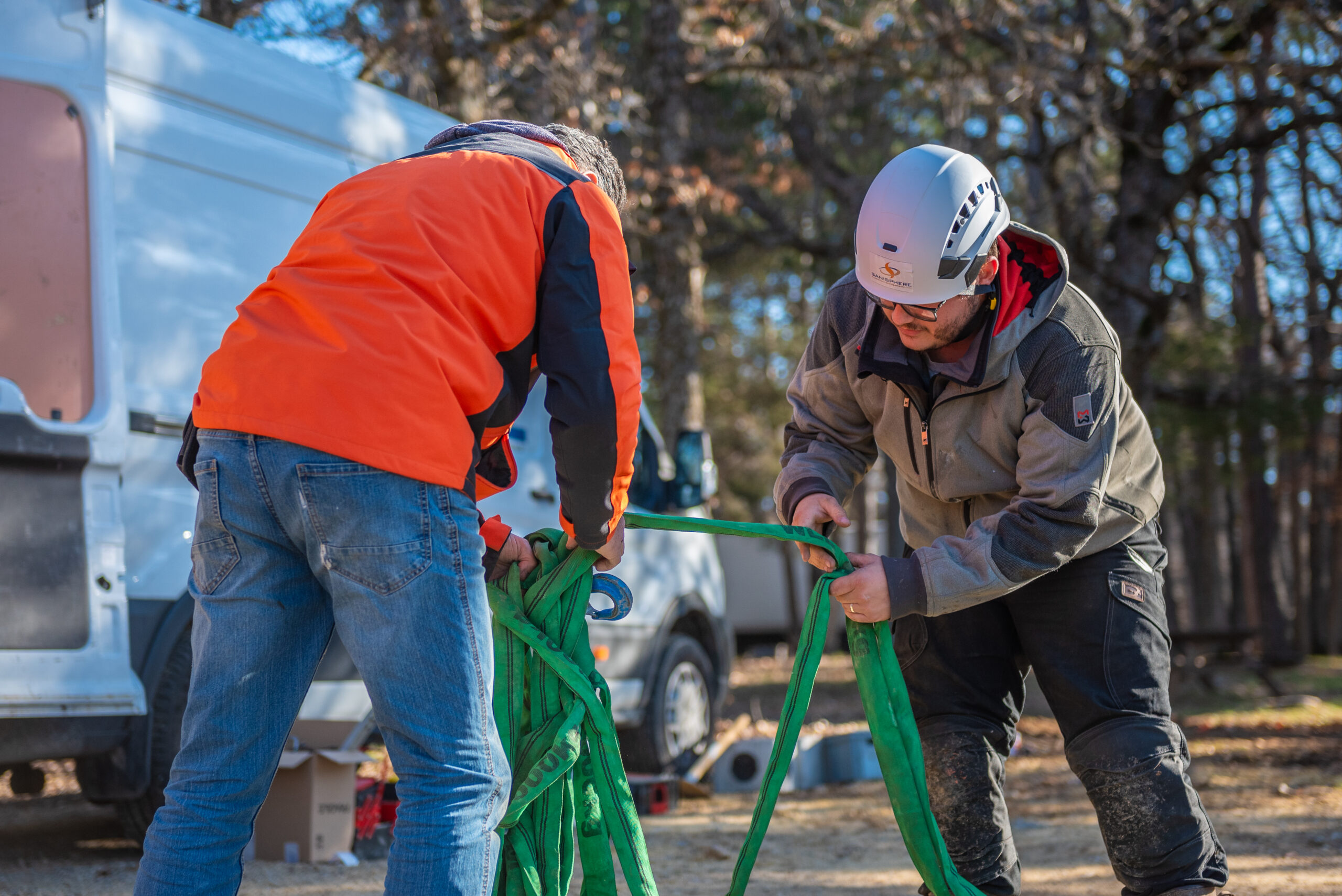
Installation is carried out by SANISPHERE teams, following installation protocols tailored to the model and site conditions. It includes checking all components and preparing the system for commissioning.
Step 6: Perform the initial startup and initial adjustments
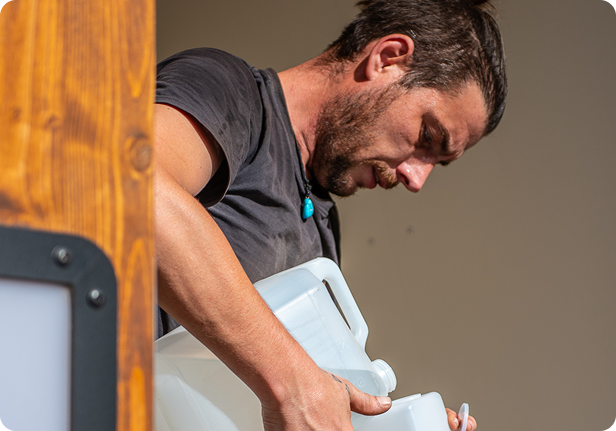
Commissioning is a separate step from simple installation. It includes priming the treatment system, performing initial adjustments, verifying that the entire system is functioning properly, and providing operating instructions to the on-site teams.
At this point, the manager has a fully operational system, complete with the information needed to carry out day-to-day monitoring. SANISPHERE ensures that the onboarding process is clear and that the first few days of operation do not cause any uncertainty.
Step 7: Organize follow-up after installation
Commissioning is not the end of the project—it is the beginning of operations. SANISPHERE coordinates the transition to the maintenance and servicing program by working with the facility manager to determine the frequency of service calls appropriate for the site, the monitoring procedures, and the points of contact in case of need.
This continuity between installation and operation is what distinguishes a service-oriented approach from simply supplying equipment.
How long should a SANISPHERE project take?
Timelines vary depending on the complexity of the site, the chosen model, and the operator’s schedule. A simple project at an accessible site can be completed in a few weeks. A more complex project, involving an in-depth site assessment or specific logistical constraints, will require more preparation.
The key is to plan ahead: the earlier a project is launched in the operational cycle, the more flexibility there is to get things right.
Mistakes to Avoid Before Launching Your Project
Underestimating the actual number of visitors to the site is the most common mistake. Under-sized equipment quickly becomes overloaded and causes sanitation problems that are difficult to correct without intervention.
Neglecting the site survey leads to inappropriate placements, which can cause nuisances or make access for maintenance difficult. Failing to plan for maintenance services from the outset means having to manage post-installation issues in a rush, without established procedures or a designated point of contact.
Ready to get your project started?
Every project begins with a discussion. SANISPHERE analyzes your situation, helps you identify the right solution, and supports you every step of the way until the system is up and running.
Would you like to plan your installation project? Contact SANISPHERE for a customized site survey. Discover SANISPHERE Solutions