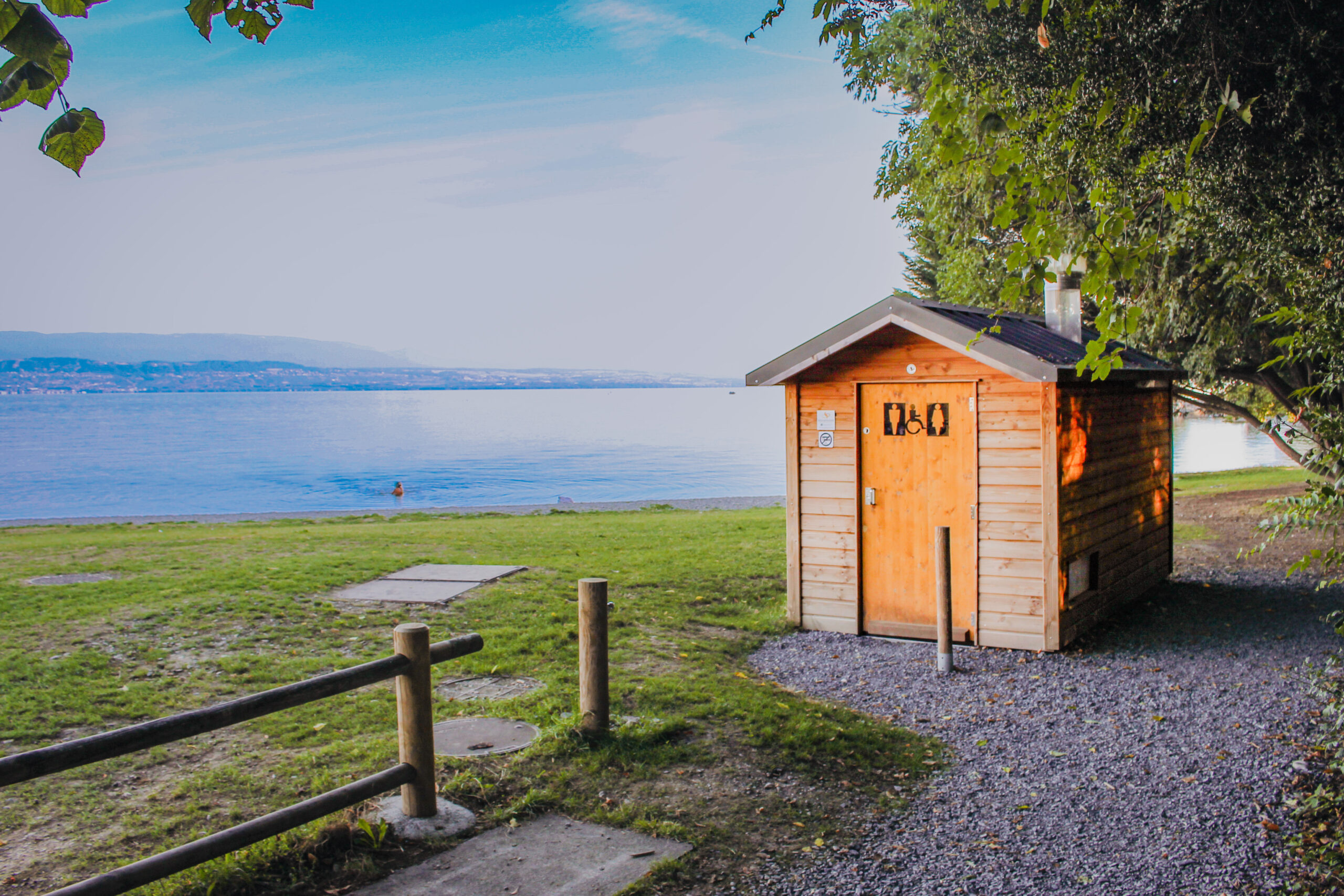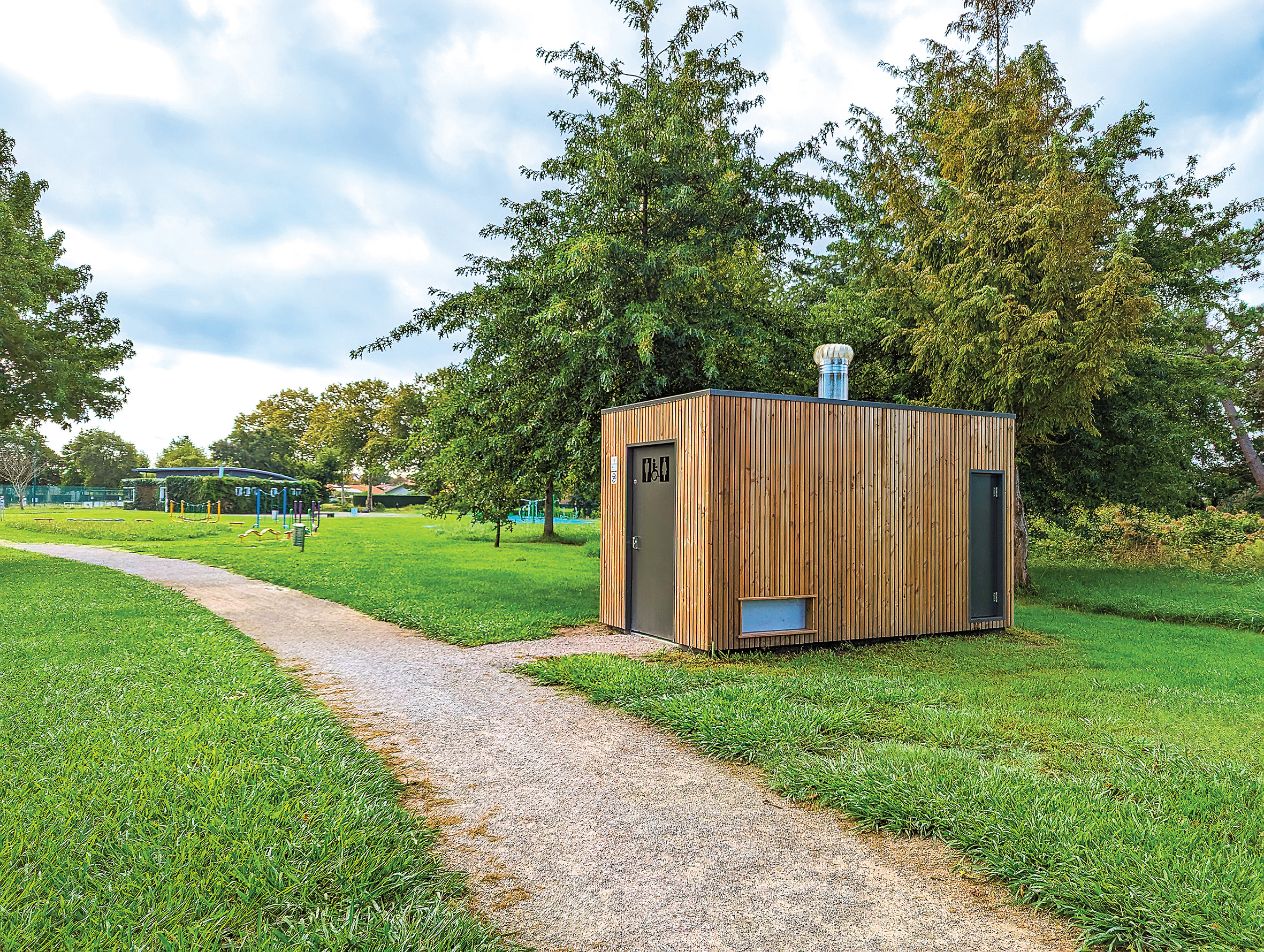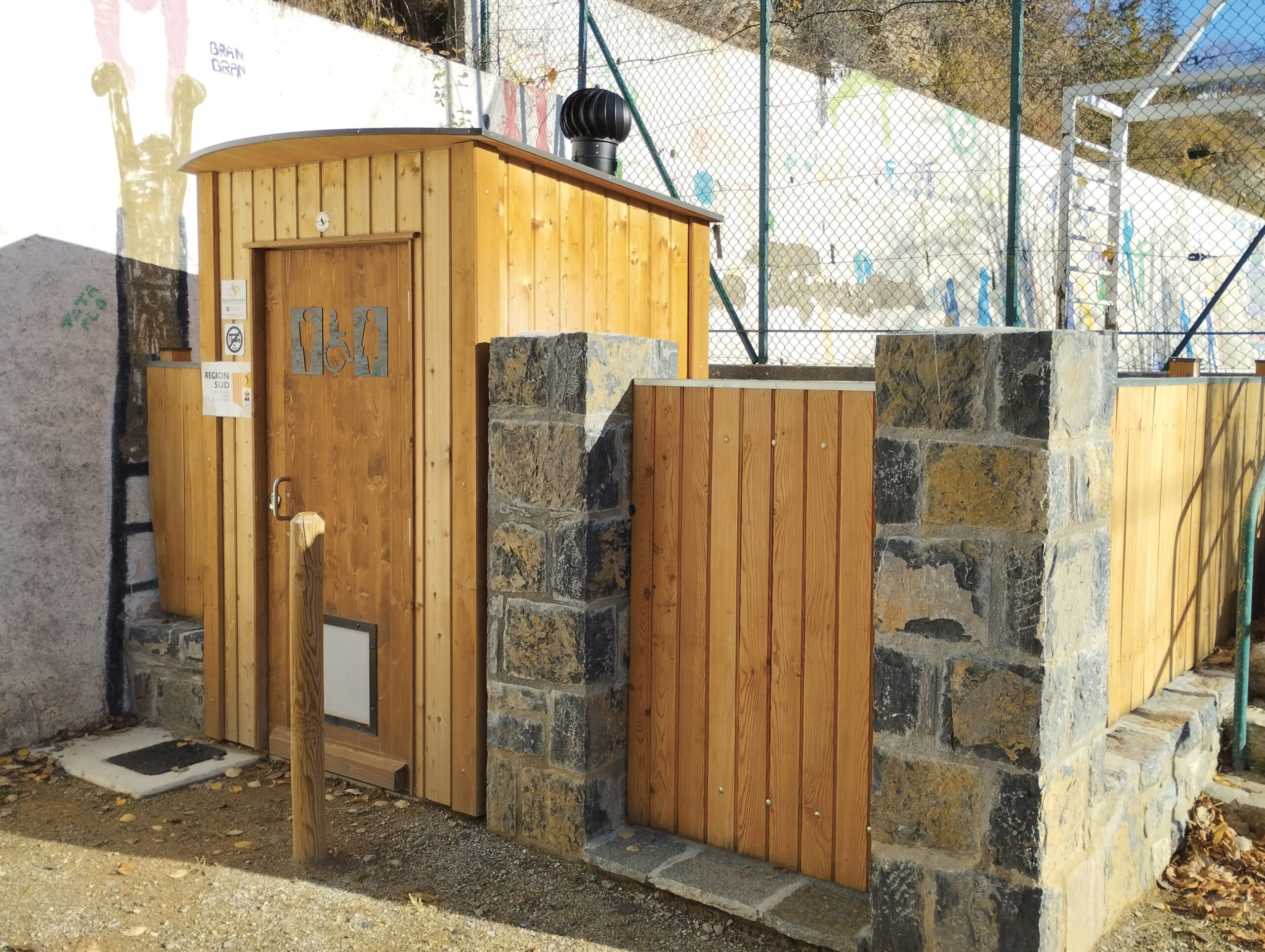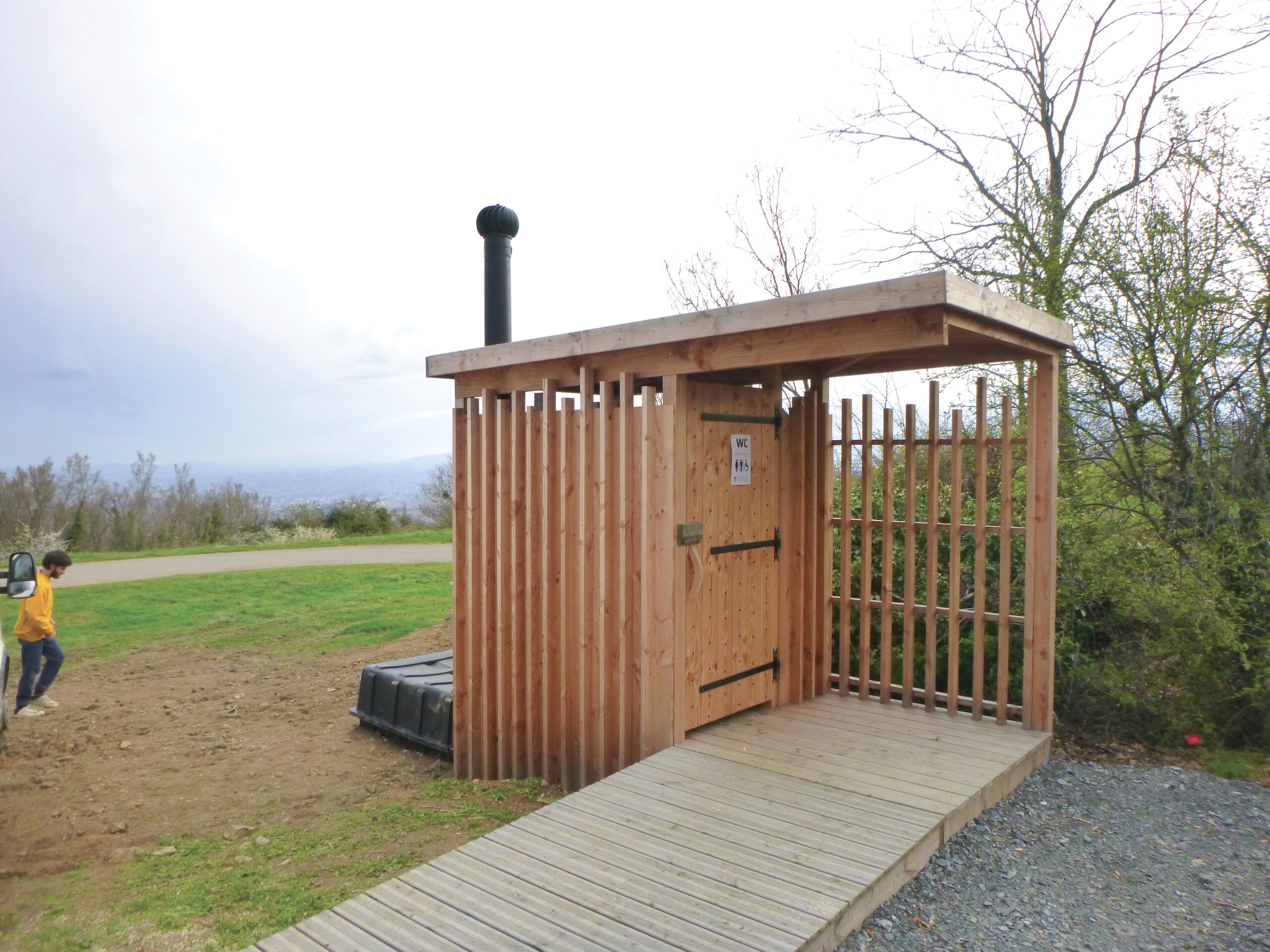

Installing a professional dry toilet is only worthwhile if it is accompanied by an appropriate maintenance service. Maintenance ensures hygiene, the durability of the equipment, and a high-quality user experience for visitors. Without a structured protocol, even the best installation can quickly become a source of problems. SANISPHERE has designed its maintenance offering with this reality in mind: a service tailored to the specific site, visitor traffic, and operating conditions.
Why Maintenance Is Key to a Successful Installation
A dry toilet relies on an active biological balance. This balance must be maintained so that the system operates without odors, malfunctions, or inconvenience to users.
Beyond the technical aspects, maintenance also affects the site’s image. Poorly maintained restroom facilities—even in a natural setting—detract from the visitor experience and result in repeated complaints to the management teams. Investing in a structured maintenance service protects the site’s reputation and reduces the daily management burden.
What Is Considered Routine Maintenance
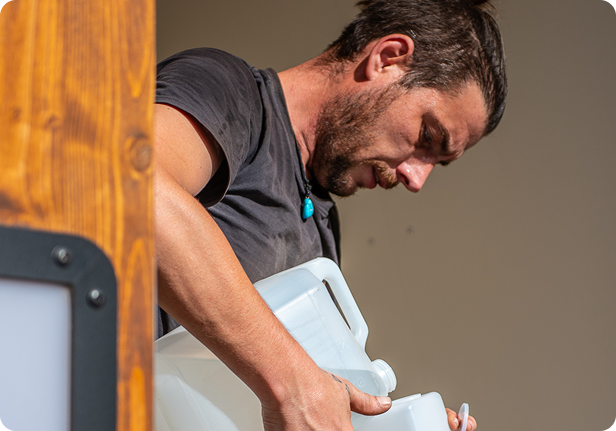
Routine maintenance consists of regular tasks that keep the equipment in good condition between scheduled maintenance visits. It includes cleaning contact surfaces (toilet bowl, handles, walls), visually inspecting the equipment’s overall condition, and ensuring that visitors are using it properly. The frequency of these checks depends on the number of visitors to the site. At a site with high summer traffic, a daily or twice-daily check may be necessary. At a rural site with moderate traffic, a check several times a week may be sufficient.
What Falls Under Maintenance
Maintenance goes beyond cleaning. It focuses on the operation of the treatment system itself: the condition of the biological ecosystem, the balance of materials in the composting process, technical adjustments, and inspections of mechanical components and ventilation systems.
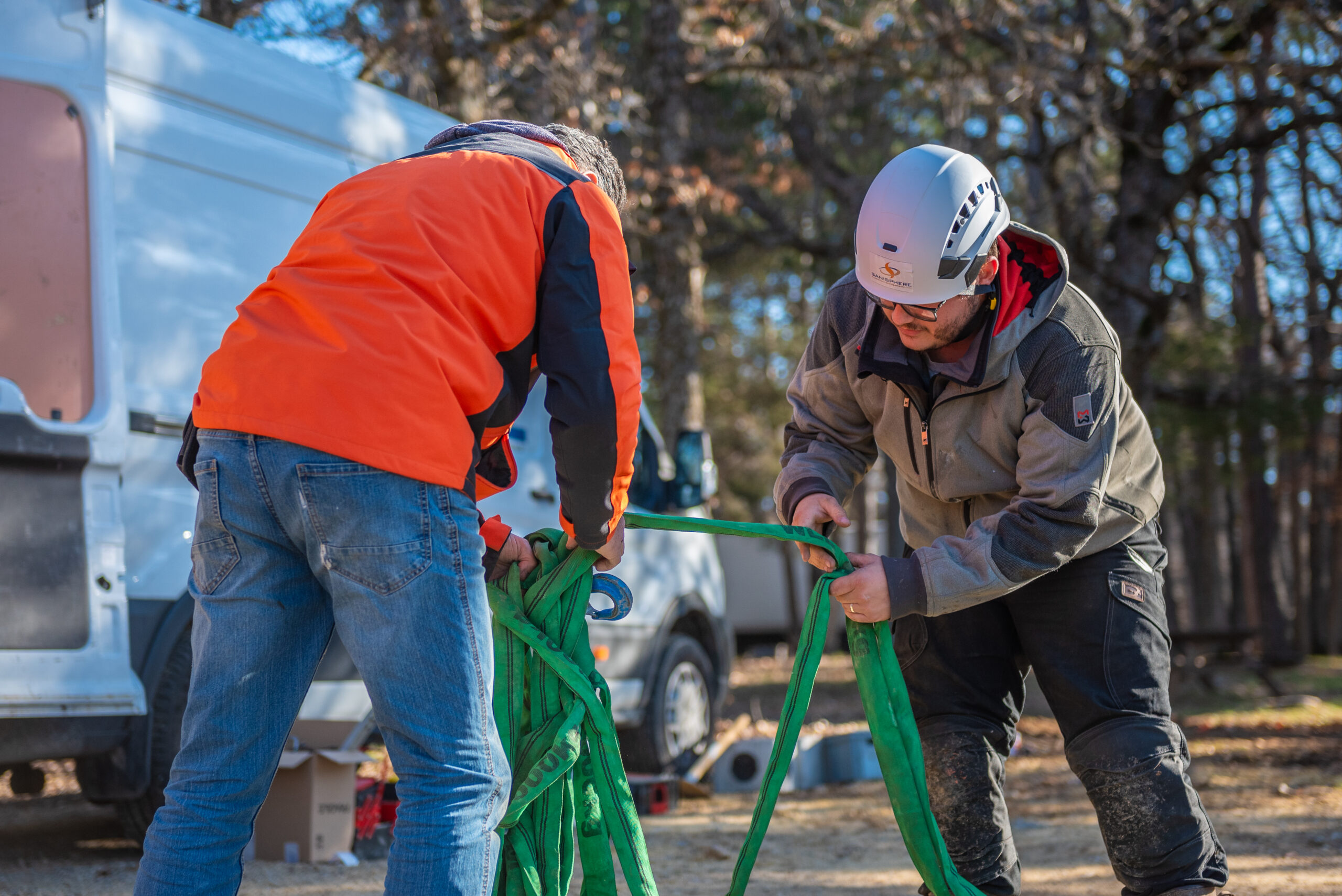
These services are less frequent than routine maintenance, but they are critical to the equipment’s longevity and the quality of treatment over time. SANISPHERE includes scheduled maintenance visits in its service offering, featuring monitoring of the treatment ecosystem and recommendations for adjustments based on changes at the site.
How SANISPHERE Tailors Its Service to Each Site
There is no universal protocol that applies to all contexts. A nature park that is open year-round and has consistent visitor numbers does not require the same level of service as an event venue with peak usage concentrated over a few weekends.
SANISPHERE tailors its maintenance service by taking the following variables into account: actual or estimated usage, seasonality, weather conditions, site accessibility for service teams, and the skill level of any on-site field staff. This customization determines the actual effectiveness of the service provided.
How often should we take action?
The frequency of maintenance depends on a combination of several factors: the volume of daily or weekly traffic, the season and weather conditions (heat, humidity), the type of site and its surroundings, and access conditions for maintenance crews.
SANISPHERE develops a service schedule tailored to each site, which can be adjusted based on changes in visitor numbers. The goal is not to set an arbitrary number, but to ensure that hygiene and performance standards remain consistent throughout the operating season.
How SANISPHERE Helps Prevent Malfunctions
The goal of preventive maintenance is to anticipate problems before they affect operations. SANISPHERE relies on regular feedback from the field: observations made during site visits, reports from local teams, and quality control of treatment parameters.
Feedback tools help detect early warning signs: an abnormally high usage rate, a shift in the biological balance, a change in access conditions, or a technical system failure. This information informs adjustments to frequency or protocol, without waiting for a malfunction to become apparent to users.
What to Expect from a Structured Maintenance Service
A structured maintenance service provides several concrete deliverables for the site manager: scheduled and traceable maintenance visits, a designated point of contact for each site, long-term monitoring of equipment condition, recommendations for adjustments if usage conditions change, and a guarantee of service continuity, even during peak traffic periods.
This level of organization is what sets a professional service apart from a simple cleaning routine.
Should maintenance be handled in-house or outsourced?
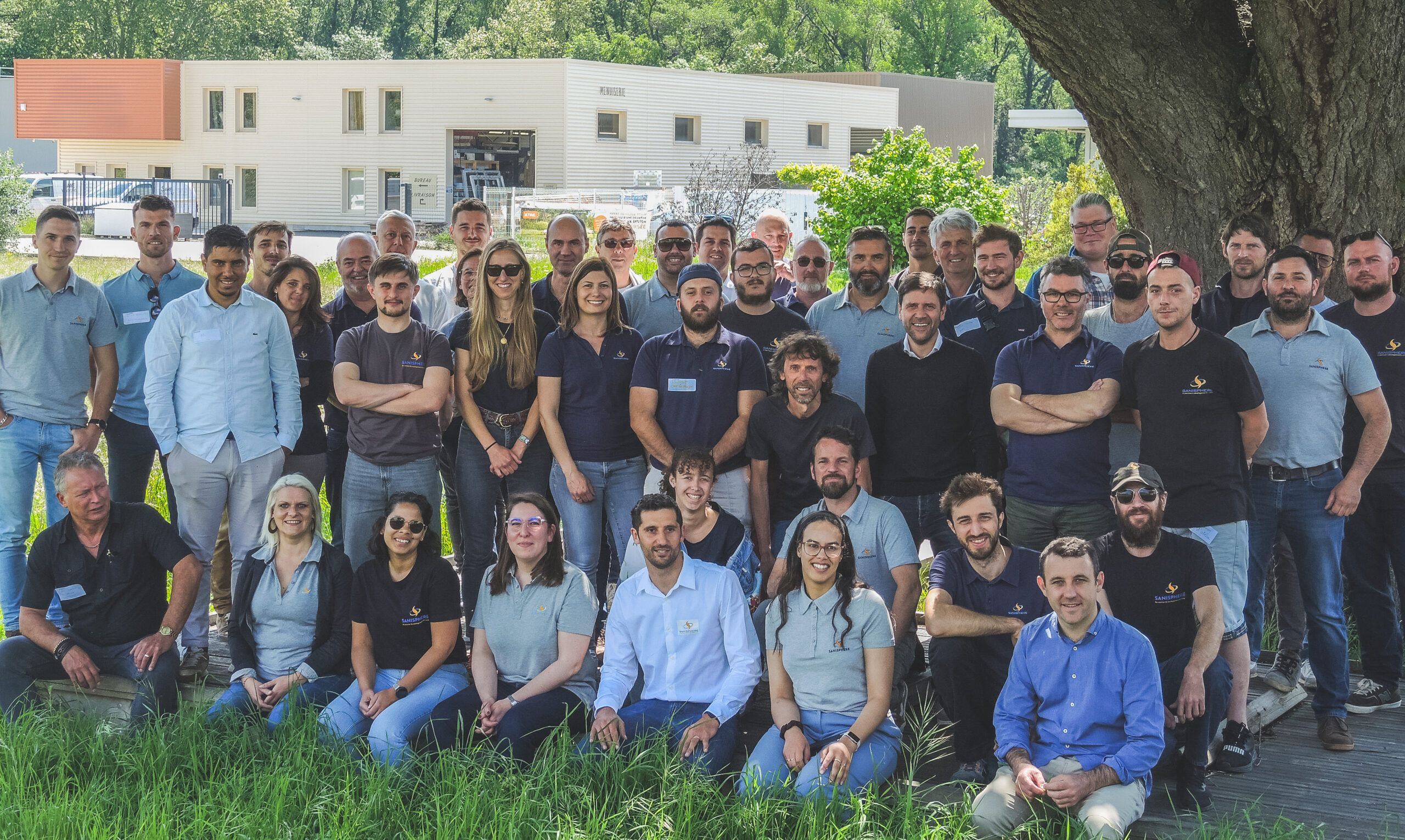
Some managers have field teams capable of performing routine maintenance. SANISPHERE handles technical maintenance, supplementing the daily tasks performed in-house.
Set up a maintenance service tailored to your site
Maintenance and upkeep are not a burden to be endured; they are the key to successful long-term operation. Are you looking to set up a reliable maintenance service for your plumbing fixtures?
Contact SANISPHERE to assess your needs. Discover SANISPHERE Solutions
Frequently Asked Questions
How often should a dry toilet be maintained? The frequency depends on the number of visitors to the site, the season, and usage conditions. SANISPHERE develops a schedule tailored to each specific situation.
What is the difference between servicing and maintenance? Routine maintenance includes regular cleaning and visual inspections. Maintenance involves the technical monitoring of the treatment system and work on the equipment’s components.
Does SANISPHERE offer a full range of services? How can you prevent problems and malfunctions? Through regular preventive maintenance, monitoring of treatment parameters, and structured feedback from the field. Proactive measures are more effective and less costly than corrective action.
Can maintenance be adjusted based on the number of visitors to the site? Yes. The service is tailored to actual attendance and can be adjusted during the season if conditions change.