
Grants for Public Dry Toilets: A Practical Guide for Local Governments
The dry toilets are attracting growing interest among local governments that are committed to providing sustainable that are sustainable and suited to natural and recreational areas. This guide, written by Sanisphere, A French manufacturer specializing, assists elected officials and technical directors in putting together a project to obtain a grant and implement effective effective solutions. The installation of dry toilets in communities enables the provision of public accessible public services on a remote , without the need forwater and with a measurable .
Why Choose Dry Toilets for Public Projects?
The dry toilets are a solution that does not consumewater-savingsolution that addressessanitation and environmentalenvironment. They are particularly suitable for sites remote natural whereaccess to utility networks is limited or undesirable. These toilets dry toilets limit the impact of waste and allow for autonomous waste management, which is beneficial for theenvironment and the quality of public public.
- Reduction inwater and wastewater treatmentsewage treatment.
- Compatible with recreational recreational areas and high-traffic traffic .
- Offer services sanitation services public and public on every site.
How to Structure a Grant Proposal for Dry Toilets
A strong proposal must demonstrate the technical, environmental, and financial merit of the project. It must specify the technical selected, the maintenance, and integration into the natural environment and the benefits for users. Specify whether the toilet will be integrated into a tourist tourist attraction, a hiking trail, or a for the public. The analysis of the attendance of the site and the calculation of oil change intervals are essential for convincing investors.
Key Elements to Include
- Description of the site and targeted sites in question (visitor numbers, access, areas in question).
- Environmental rationale: impact on water consumptionwater and the preservation of natural areas, contribution to ecological resource management.
- Maintenance Plan Maintenance and Sanitation Management restrooms to ensure the long-term viability of the services.
- Operating and Safety Guidelines for Public Users for the public, with clear procedures for interventions and maintenance.
- Project Project and success metrics (reduction inwater, utilization rate, satisfaction).
Technical and Environmental Benefits
The dry toilets are solutions tailored to the needs of communities : they do not require asewage system and minimize discharges into the natural environment. From an ecological, these dry toilets help protect sensitive environments and facilitate the recycling of materials.
| Criterion | Traditional toilets | Dry toilets |
| Water Consumption | High | No (no water consumption) |
| Adaptation to Natural Sites | Often limited | Optimal |
| Maintenance | Connected to the | Scheduled and localized |
| Environmental Impact | Waste to be treated | Reduction of waste, potential for recycling |
Technical Aspects: Definitions and Best Practices
To facilitate communication with funders, here are clear definitions of the technical terms often expected in grant applications. The dry operates without the addition ofwater and can be a resilient solution on a remote . Explaining the types of systems and how they are managed helps demonstrate the reliability of the solution.
- Dry toilets: sanitary sanitary facilities that operate without the use ofwater, and collect waste for treatment or recycling.
- Sanitation: all methods aimed at managing and treating wastewater and waste materials in order to protect public health and theenvironment.
- Maintenance: Regular inspections to ensure the cleanliness, proper functioning, and safety of the restrooms.
Maintenance and Operations Plan for Local Governments
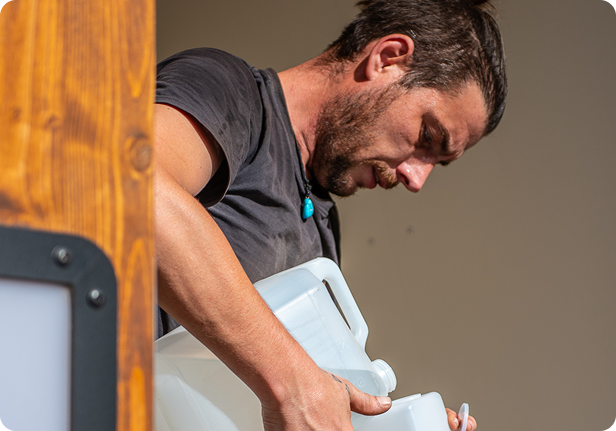
A key factor in the awarding of a grant is a maintenance . Funders want to ensure that the services will be reliable over the long term and that attendance is managed. The plan must specify the frequency of service calls, procedures for waste removal, and staff training to ensure restrooms are always operational.
- Frequency of oil changes and cleanings based on number of visitors.
- Staff training in technical and health procedures to ensure maintenance of dry .
- Supply Management (consumables, eco-friendlyproducts).
- Performance indicators (utilization rate, user satisfaction).
Use Cases: Where Should Public Dry Toilets Be Installed?
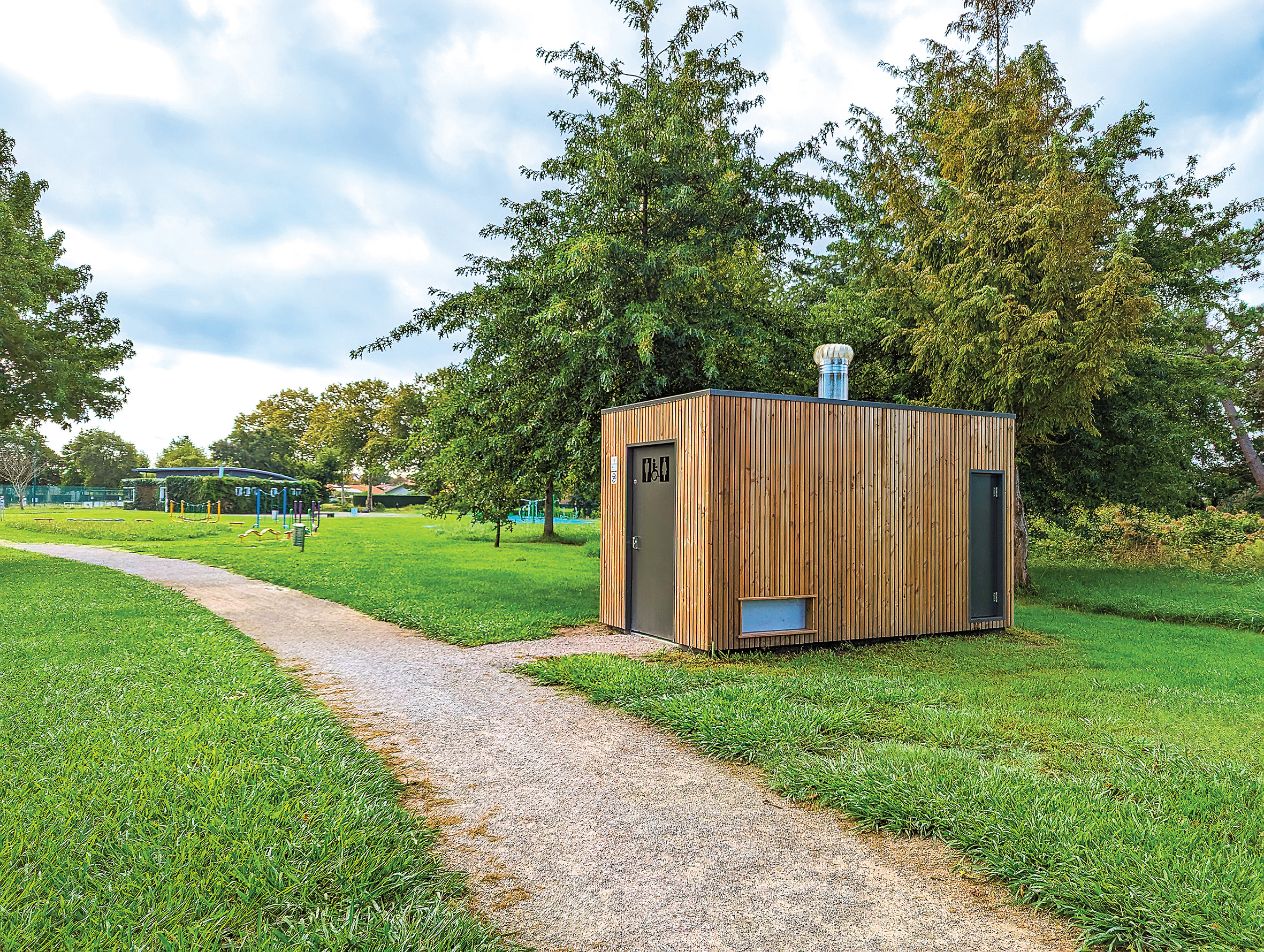
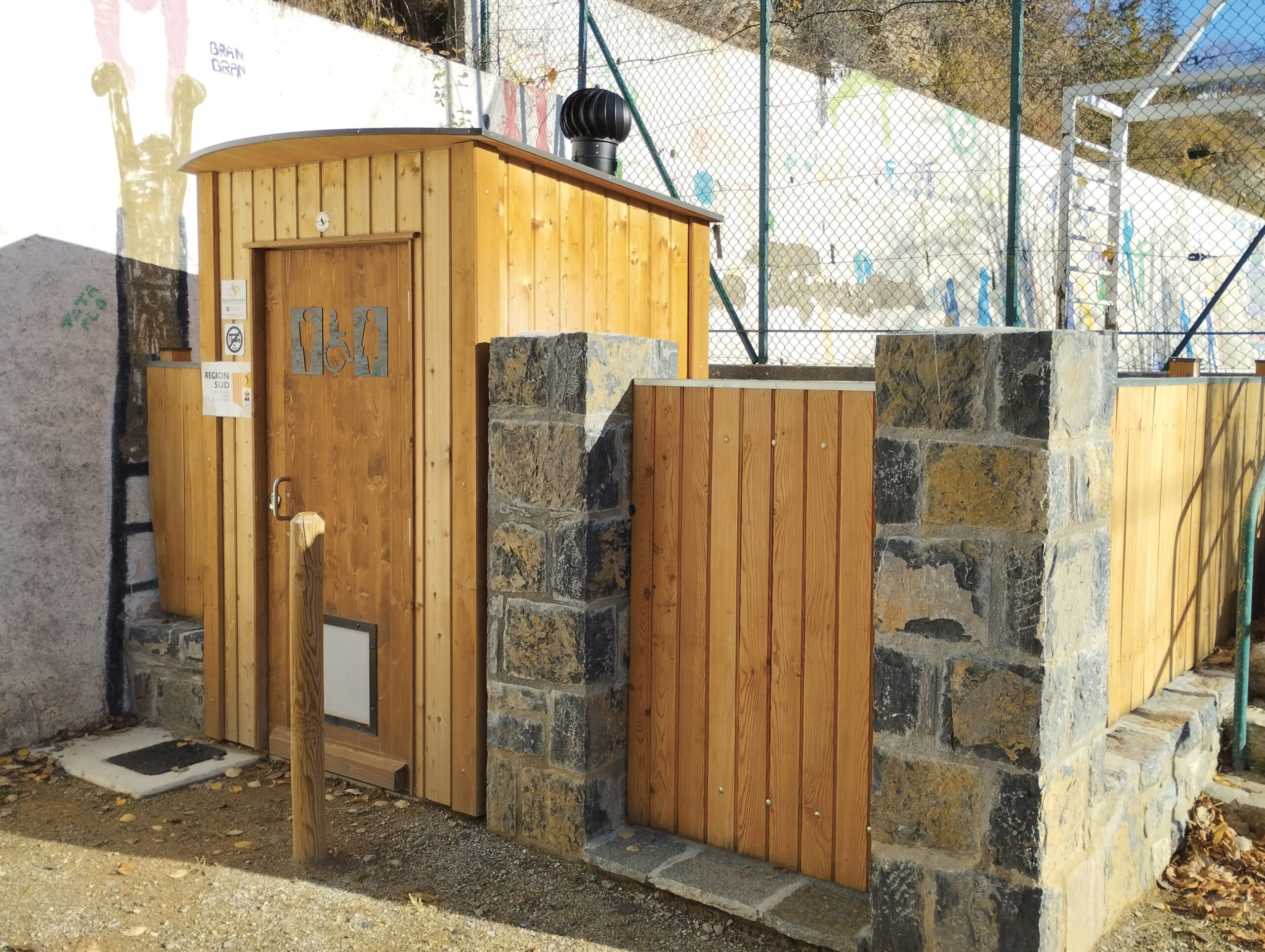
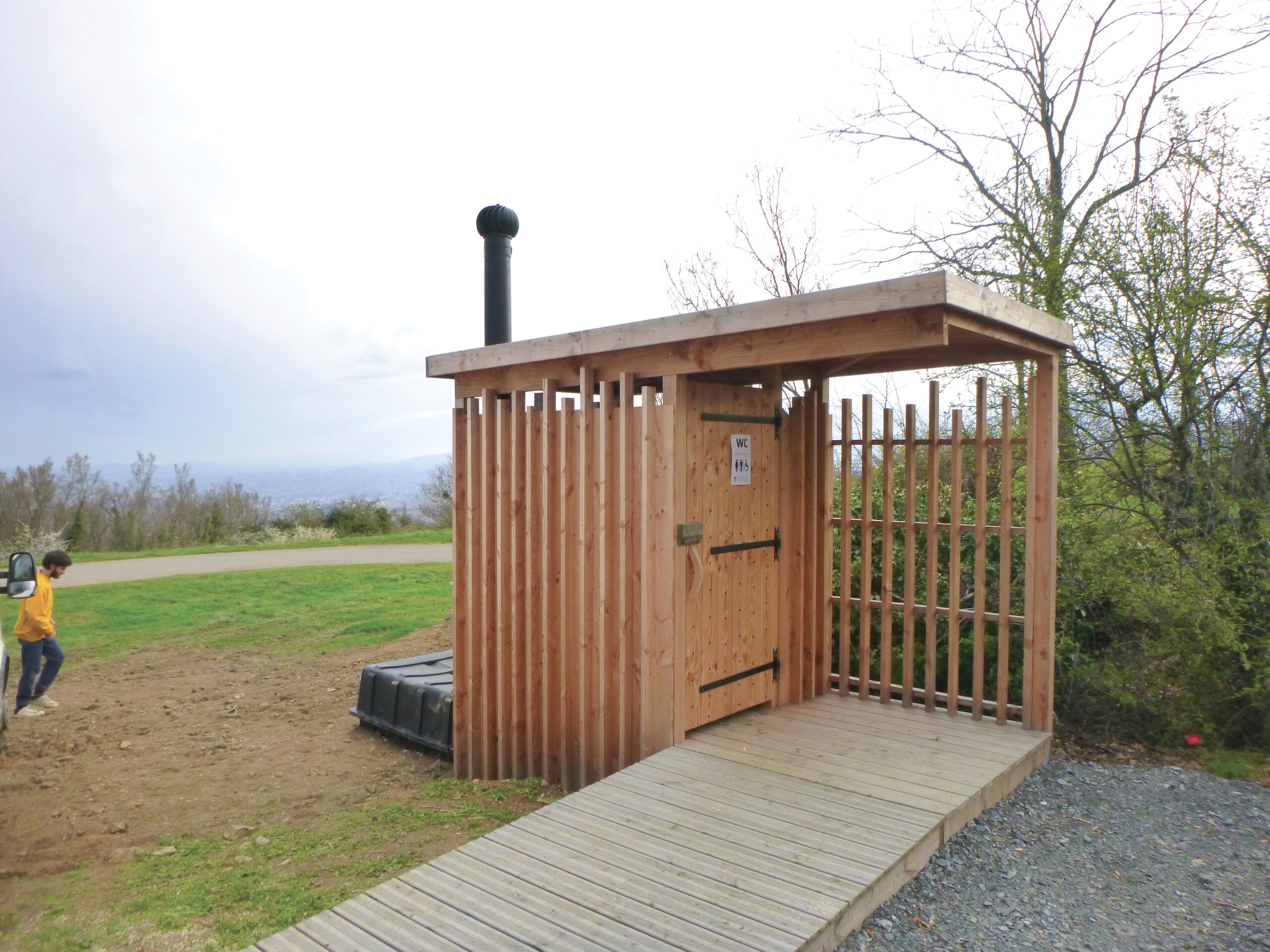
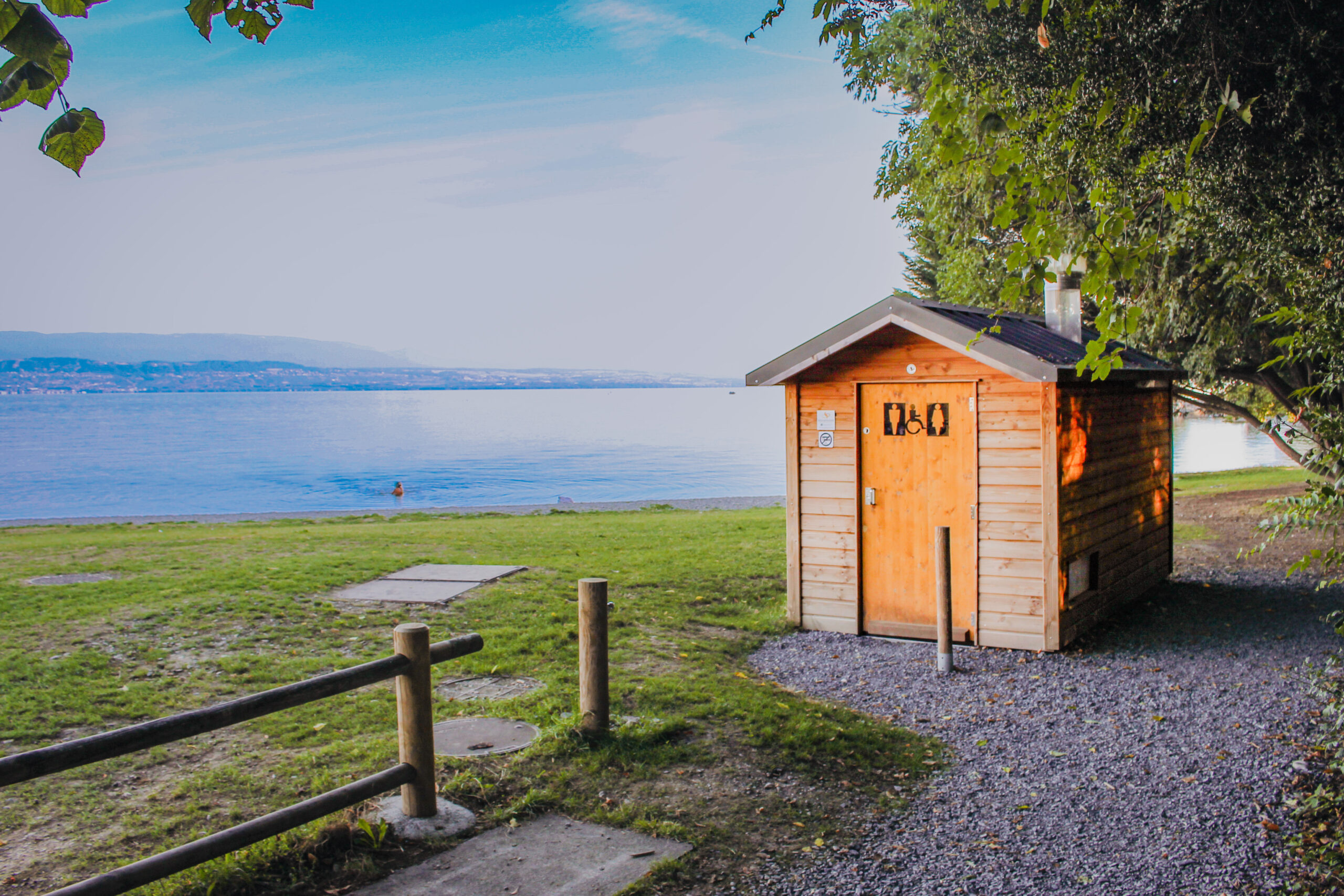
The dry toilets are suitable for the following : they blend in well with protected protected natural areas, on a walking for walking or at public lackingdrinking drinking water. Install toilets dry toilets on these sites ensures appropriate appropriate public services without resorting to heavy infrastructure.
- Parks and protected protected natural areas.
- Recreational and walking areas with high seasonal .
- Public Service Centers for the public lackingimmediate drinking water.
- Projects to revitalize a site tourist or cultural site.
A Case for Convincing Funders
To maximize your chances of receiving a grant, highlight these measurable benefits. Present quantified scenarios showing reductions in water, explain the benefits environmentaland explain how the maintenance ensures the availability of the public public services. Highlight the adaptability of the portable to the constraints of sites and how easily they can be integrated into projects .
- Direct impact onwater (significant reduction).
- Protection of natural areas and reducing risks associated with effluents.
- Improving the accessibility of public public for users.
- Maintenance Plan Maintenance ensuring durability and quality of use.
Quick Comparison of Solutions for Local Governments
| Criterion | Dry toilets | Other waterless solutions |
| Adaptability to different sites | Very good | Variable |
| Maintenance Requirements | Scheduled | Often technical |
| Environmental Benefits | High | Often limited |
Practical Steps for Launching Your Project
- Assess user needs and attendance of the sites.
- Choose a solution and drafting specifications for the installation of dry .
- Prepare the grant application by detailing the impact on theenvironment and maintenance.
- Establish an operational timeline for the project and the operational phases.
Conclusion
The dry toilets offer communities a robust robust, eco-friendly and tailored to the constraints of natural and recreational sites. When properly prepared, a grant application highlights the reduction in energy consumptionwater, environmental protectionenvironment and the quality of public . Sanisphere supports elected officials and technical directors throughout the project, from design to commissioning, with a focus on maintenance and the longevity of restrooms. To strengthen your proposal, provide detailed documentation on traffic flow management, the frequency of maintenance visits, and the operating procedures for the dry on the site in question.
Contact us for guidance on your project to build dry toilet and to prepare a grant application tailored to the expectations of public.
Further Reading
- A Comprehensive Guide to Dry Toilets in Community Settings
- Regulatory Framework
- Drafting a Statement of Work (SOW)
- Measurable water savings
FAQ
What is a dry toilet, and how does it work?
A dry works without the use ofwater. Waste is collected separately for treatment or recycling. This system minimizes discharges into the environment and facilitates installation in sites not connected tosewage systems. A Well-designed ensures reliable for users.
Do dry toilets require a lot of maintenance?
Maintenance maintenance is regular but controlled: oil changes scheduled based on number of visitors, cleaning, and inspection of technical components. A well-defined reassures funders and public. Maintenance also helps ensure the sustainability environmental of the solution.
Can dry toilets be installed in natural and recreational areas?
Yes. The dry toilets are particularly well-suited for natural and recreational areas recreational, since they do not requirewater orsewage treatment . On these websites; they enhance the range of services and and preserve theenvironment.
What should be included in a grant application for a public project?
Include a description of the site, a traffic analysis traffic, the choice of solution , a maintenanceplan, the impact on theenvironment , and a project. These elements demonstrate the viability of the project to funding agencies and highlight the benefits of dry toilets for communities.