
Choosing a dry toilet solution for a public space or a commercial site is a decision that goes far beyond simply purchasing equipment. It is a project in its own right, involving site-specific constraints, hygiene requirements, sustainability challenges, and a responsibility toward users. SANISPHERE was built around this reality: to support project leaders from the initial planning stage through to operation, using a structured approach and proven technology.
The Limitations of an Unsupervised Approach
Choosing a dry toilet without professional guidance may seem cost-effective in the short term. In practice, however, problems quickly arise: poor suitability for the site, underestimation of usage, improperly scheduled maintenance, recurring hygiene issues, and equipment that is unsuitable for the climate or access conditions.
For a tourism site manager, a local government, or a natural area operator, these issues are not mere details. They affect the site’s image, visitor satisfaction, and the workload of field staff. A solution that lacks support shifts all the risks onto the project sponsor.
What SANISPHERE Offers to Project Leaders
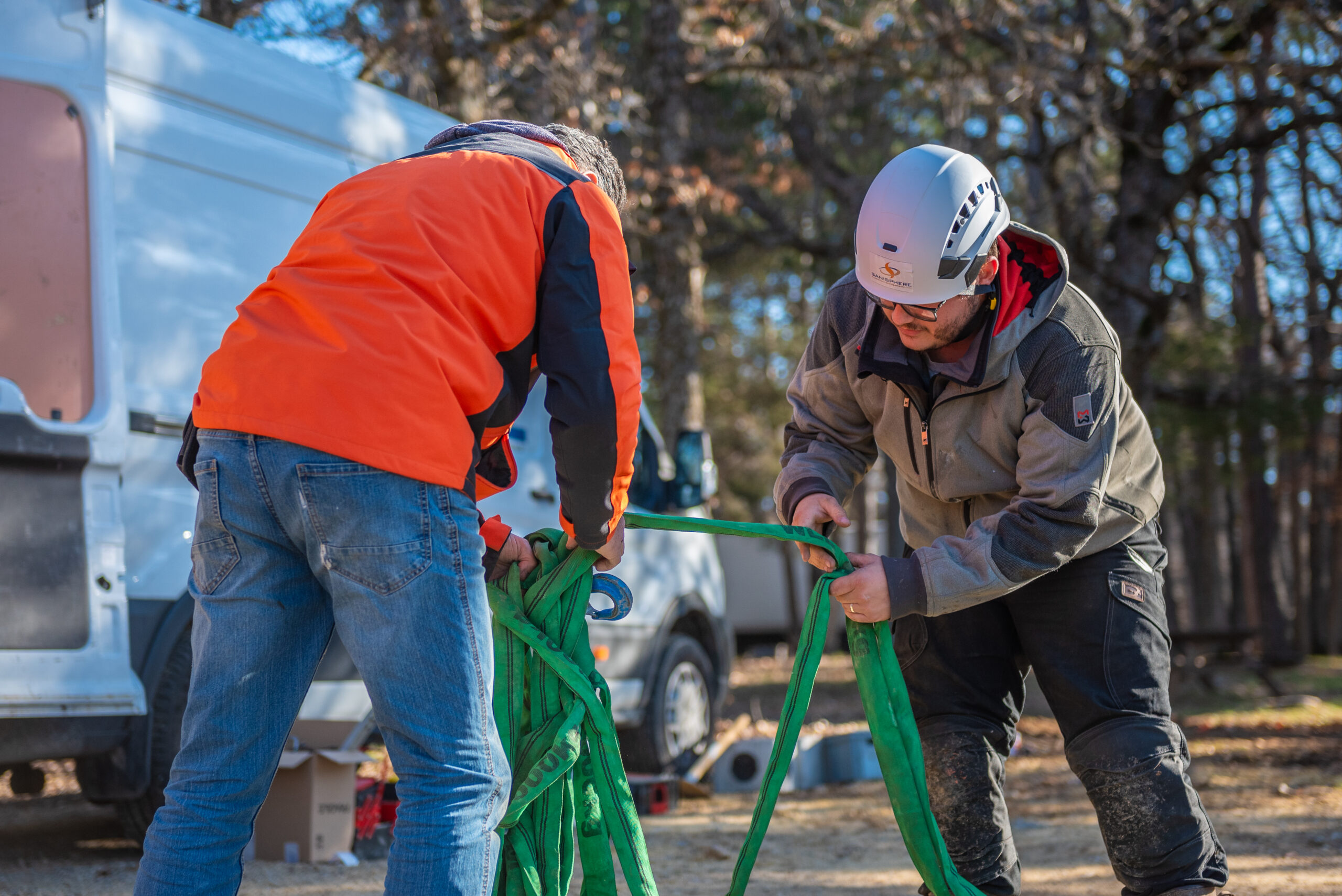
The SANISPHERE offering is based on a comprehensive service approach. It begins with a needs assessment: which site, expected foot traffic, installation constraints, and required level of autonomy? Based on this assessment, SANISPHERE helps select the most suitable model, organizes logistics, oversees on-site installation, and ensures commissioning.
This isn’t just a sale of equipment followed by abandonment. It’s a project-based relationship in which the service provider remains a designated point of contact at every stage. For a decision-maker, this continuity has direct value: fewer uncertainties, less coordination work, and a system that works from day one of operation.
A solution designed for public spaces and real-world applications
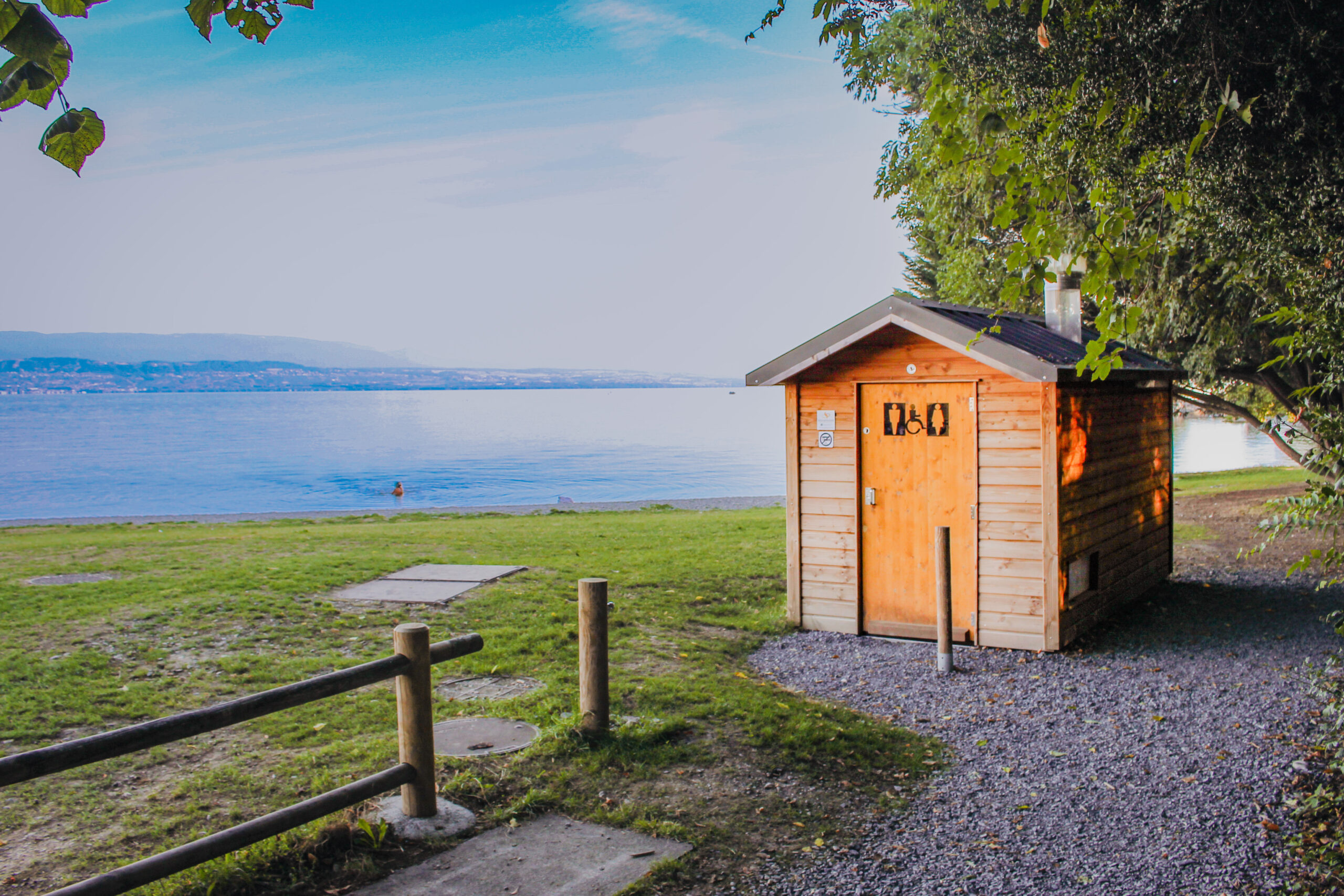
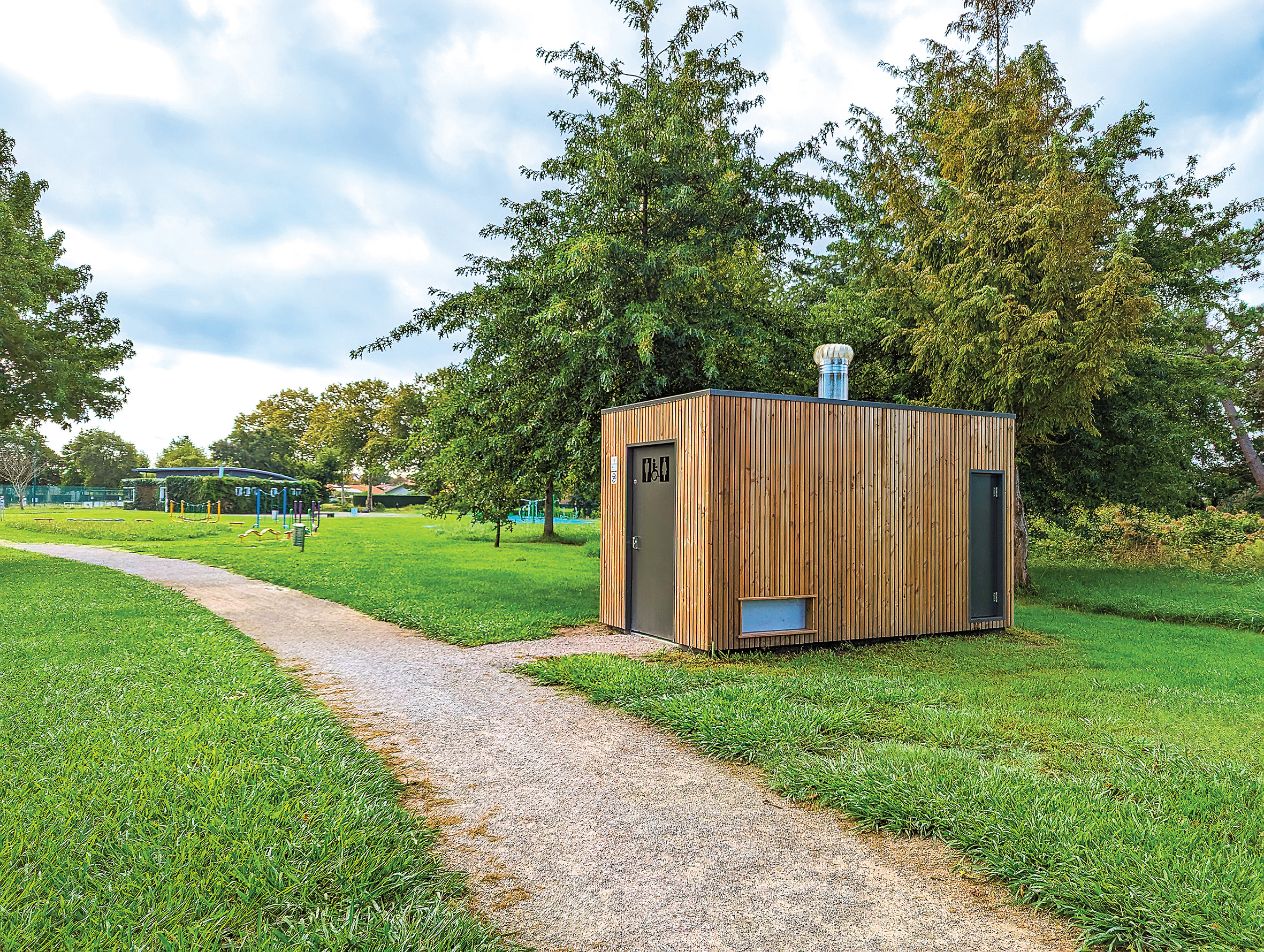
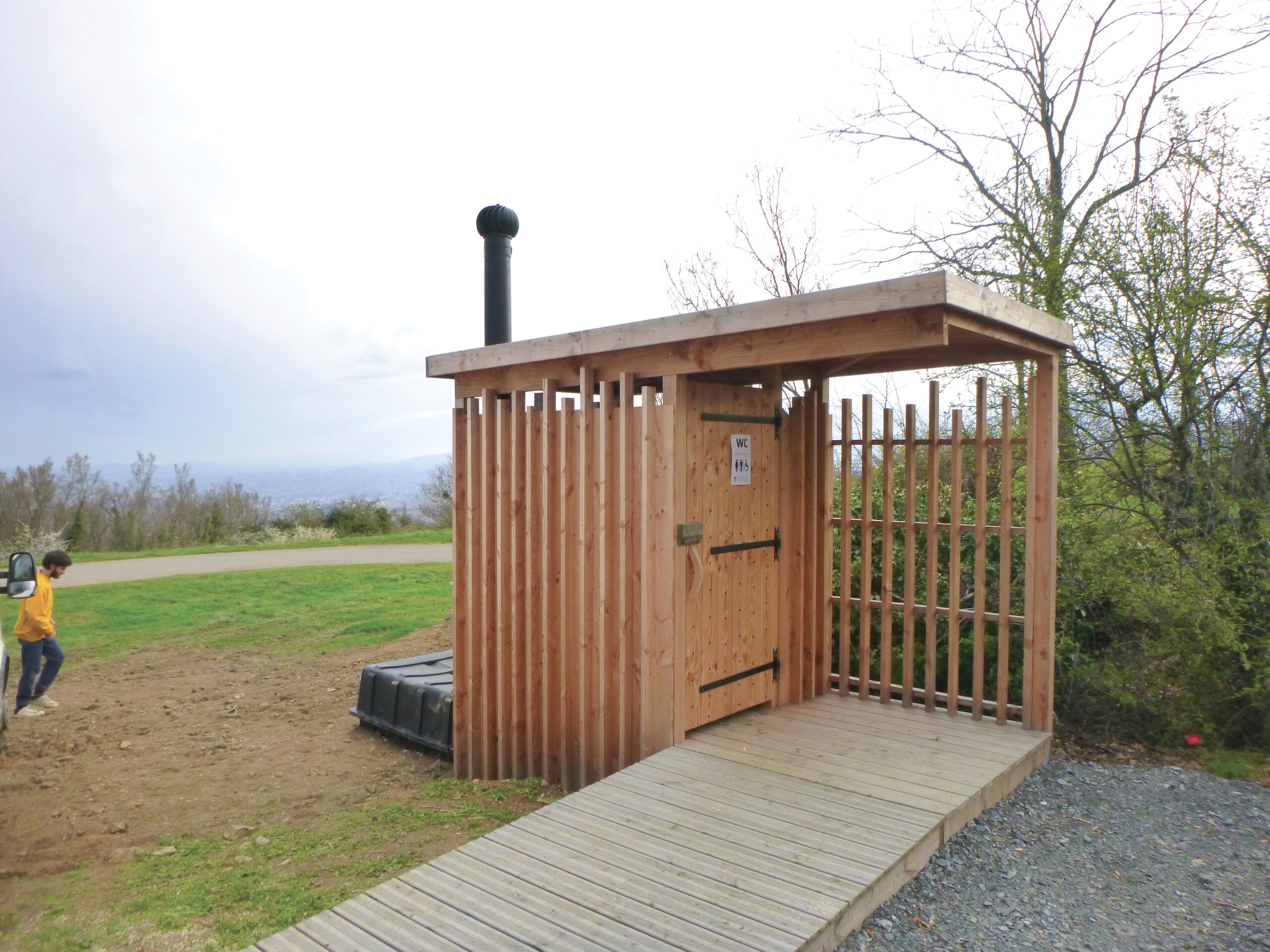
SANISPHERE is primarily designed for settings where hygiene is a critical concern: local governments, nature parks, recreational centers, rest areas, event venues, and tourist stops. These settings share common challenges: a constant need for hygiene, fluctuating visitor numbers, sometimes significant access constraints, and on-site staff who cannot devote excessive time to sanitation management.
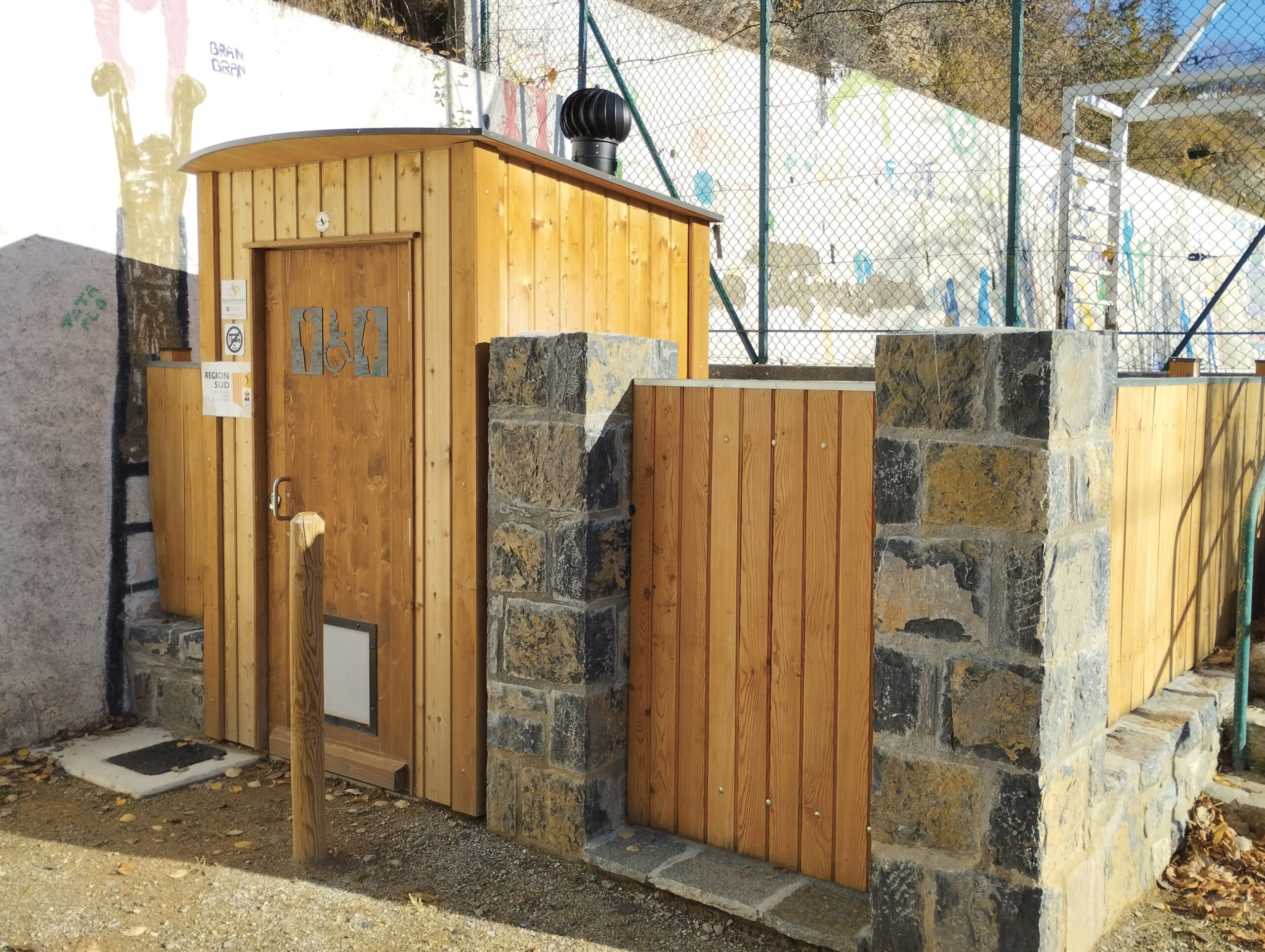
The design of SANISPHERE equipment and services takes these factors into account. The installation takes into account the terrain, the environment, and usage conditions. Monitoring is adapted to seasonal variations and the specific conditions of each site. This is not a generic solution applied mechanically; it is a tailored response to a documented need.
Environmental and Operational Benefits
Dry toilets eliminate the need for a water source, which is a major advantage for remote or underserved locations. They eliminate water consumption associated with flushing, reduce the burden on sewer systems, and lower long-term operating costs.
SANISPHERE goes a step further by offering technology that makes this benefit measurable and sustainable. Fewer resources are used, fewer corrective actions are required, and the logistical footprint is reduced. For a local government or a natural park manager, this represents a harmonious balance between environmental commitment and operational performance.
Technology that has evolved over time
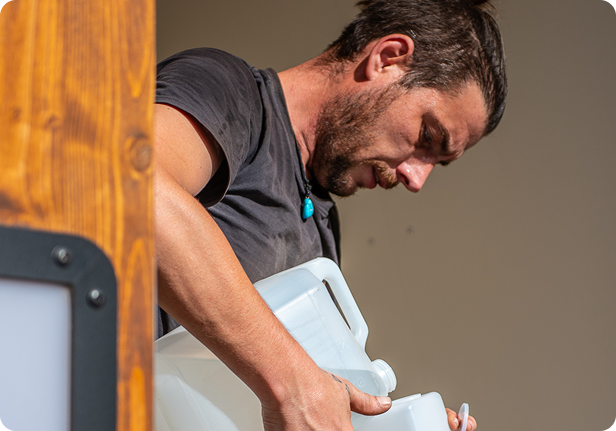
One of SANISPHERE’s key differentiators is its monitoring of the treatment ecosystem. A dry toilet does not operate in isolation: it relies on a biological balance that must be observed, adjusted, and maintained. SANISPHERE incorporates this monitoring into its maintenance program, with regular visits and interventions tailored to changes at the site.
This changes the nature of the service provided. It is no longer simply a piece of equipment that is delivered and then forgotten; it is a living infrastructure, managed over the long term by a service provider who knows the site and anticipates the necessary adjustments.
For which projects is SANISPHERE particularly relevant?
SANISPHERE is ideal for any situation where the sanitation solution must be reliable, hygienic, and easy for managers to maintain. This includes local governments looking to equip green spaces, swimming areas, or hiking trails, managers of tourist sites with high seasonal visitor traffic, operators of natural areas or regional parks with limited access to utility networks, organizers of recurring or one-time events, and project leaders seeking a turnkey solution without in-house technical expertise.
In each of these cases, the challenge is not just to install the system; it is to ensure long-term service continuity.
How can you tell if SANISPHERE is right for your needs?
The best way to answer this question is to have a direct conversation. SANISPHERE offers a needs assessment process that quickly determines whether the context is suitable, which solution would be best, and what an installation project would actually entail in your specific situation.
Do you have a dry toilet project? Contact SANISPHERE to get an analysis tailored to your site. Discover SANISPHERE Solutions
Frequently Asked Questions
Why choose SANISPHERE over a traditional dry toilet? SANISPHERE is not just a piece of equipment—it is a comprehensive service that covers design, installation, and maintenance. An unmanned dry toilet shifts all technical and logistical decisions to the site manager.
Does SANISPHERE handle the installation? Yes. Installation is an integral part of the SANISPHERE offering, with well-organized logistics and commissioning carried out by our teams.
Is SANISPHERE intended solely for local governments? No. Local governments are a key target audience, but SANISPHERE also works with tourism site managers, natural parks, event organizers, and private project developers.
Can SANISPHERE be installed at a remote location? Yes. The lack of a connection to a water supply or sewer system is precisely the type of situation for which the SANISPHERE solution is designed.
Does SANISPHERE also provide maintenance services? Yes. The maintenance package is a central component of the service, tailored to the foot traffic and specific conditions at each location.