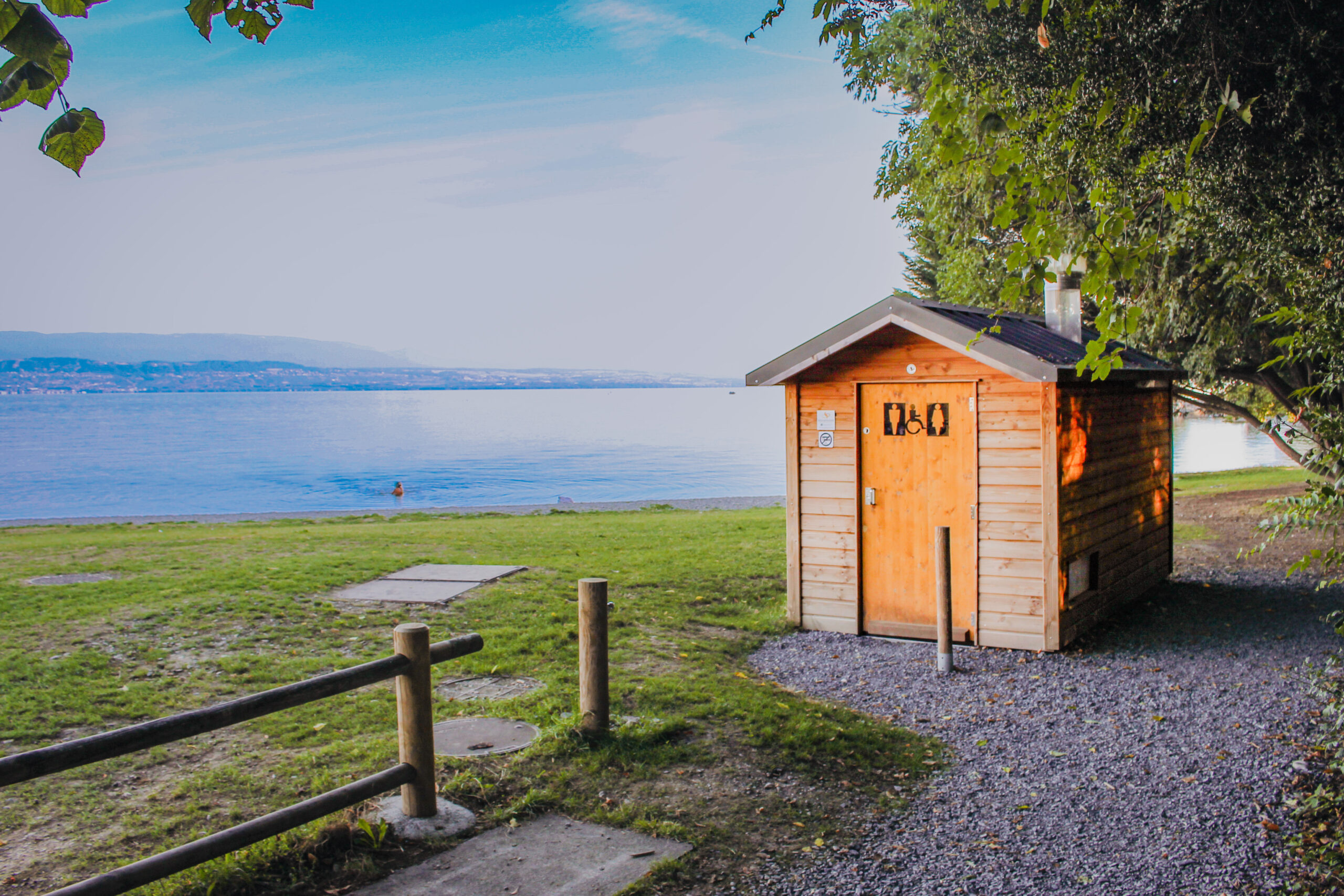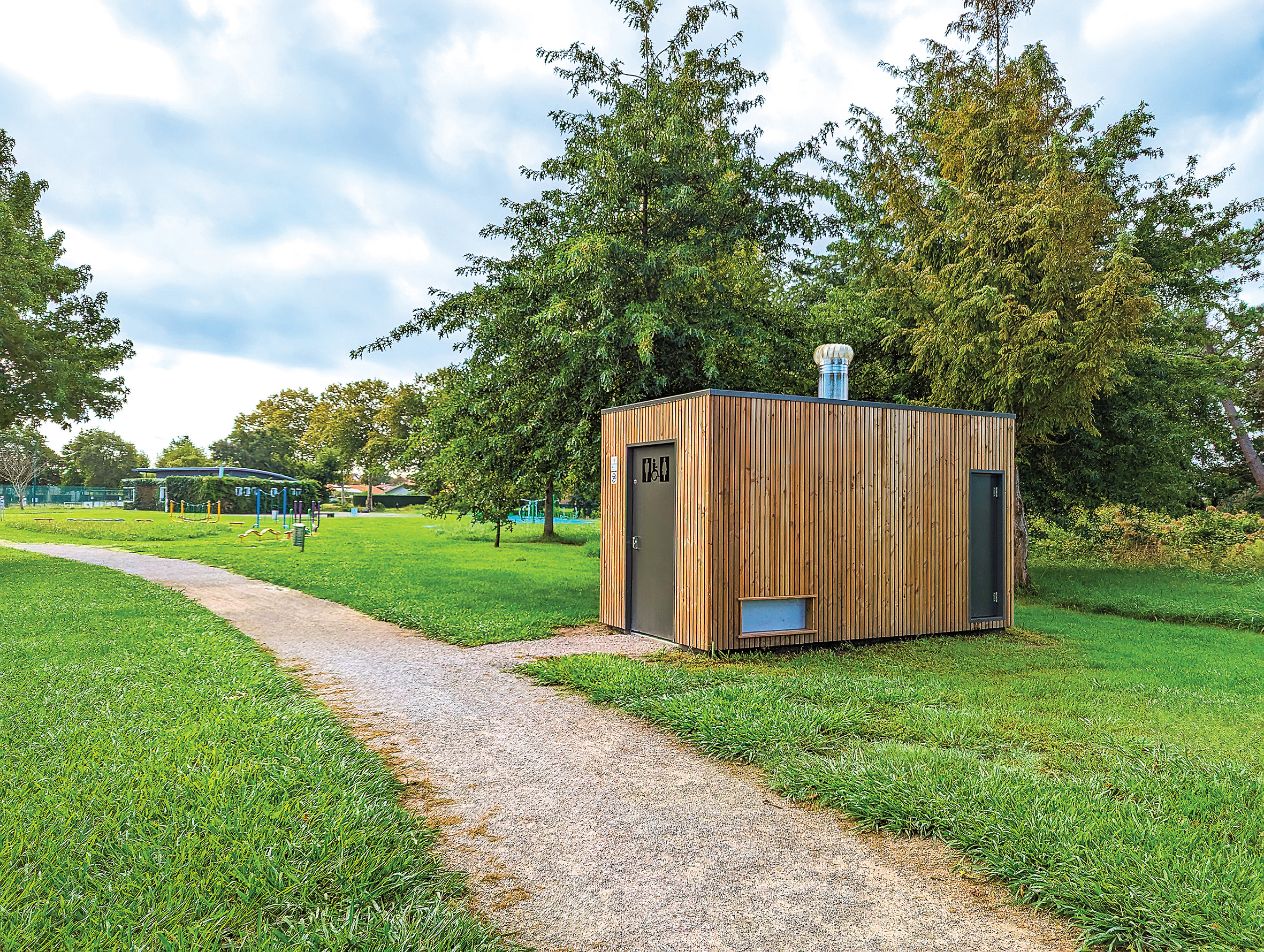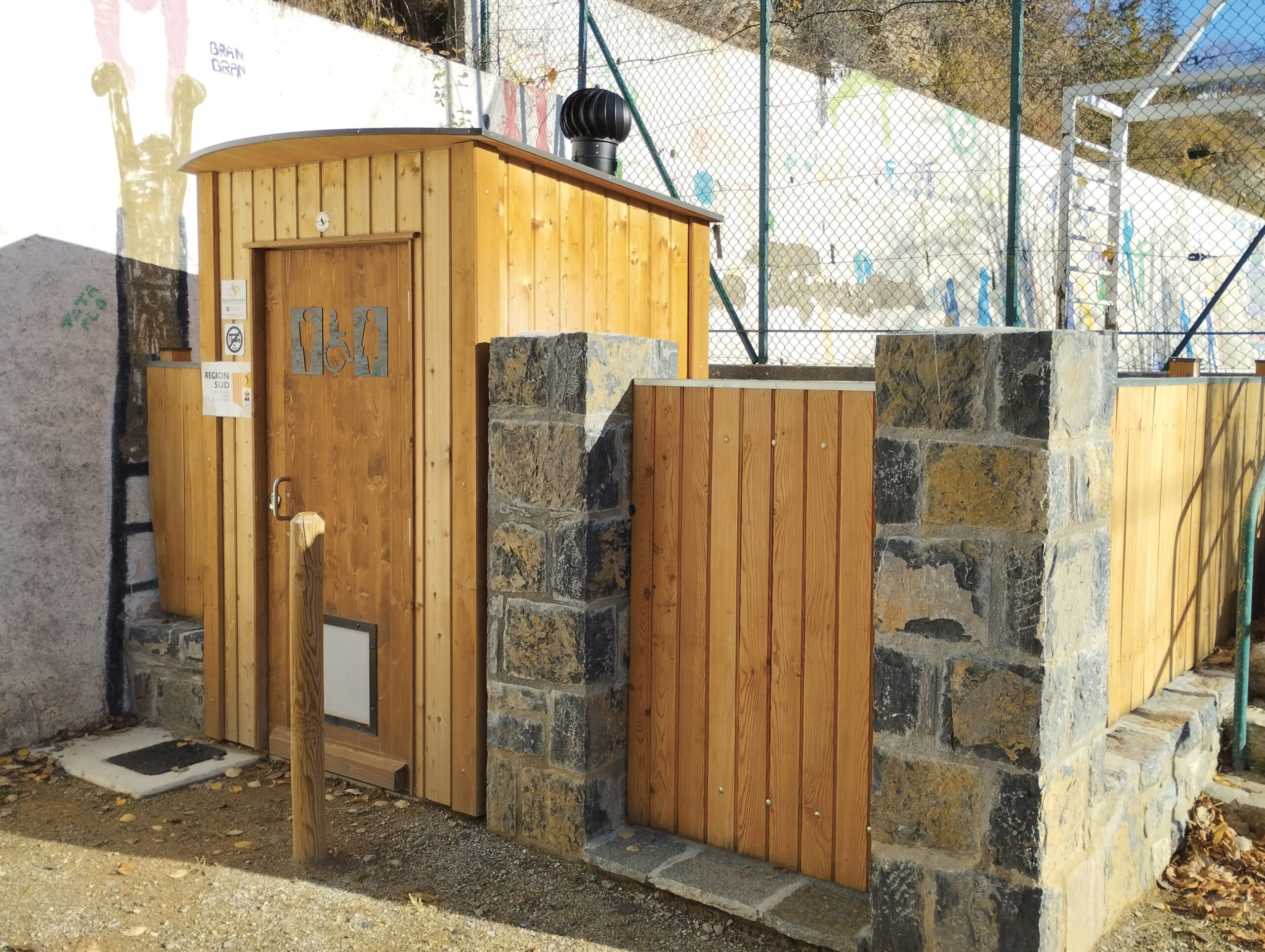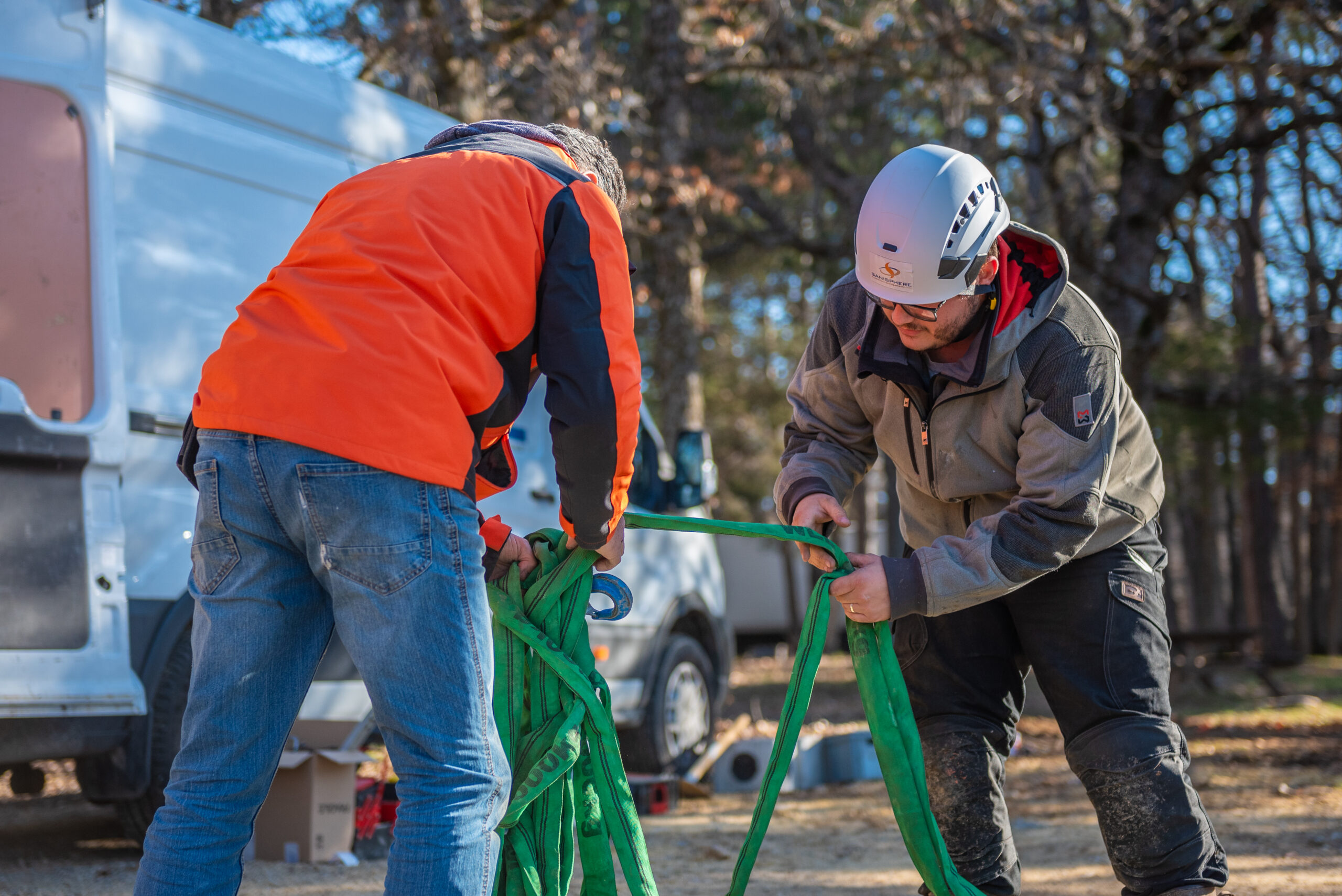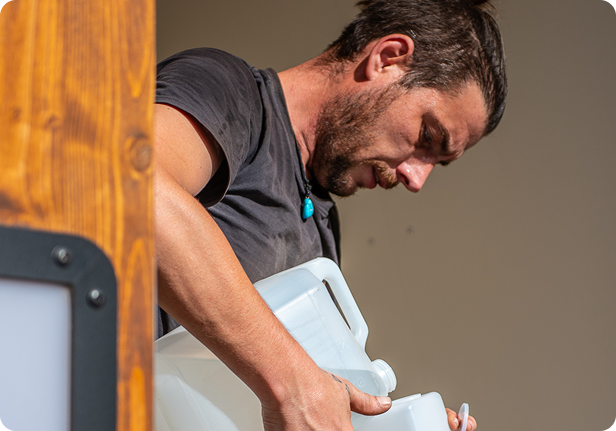
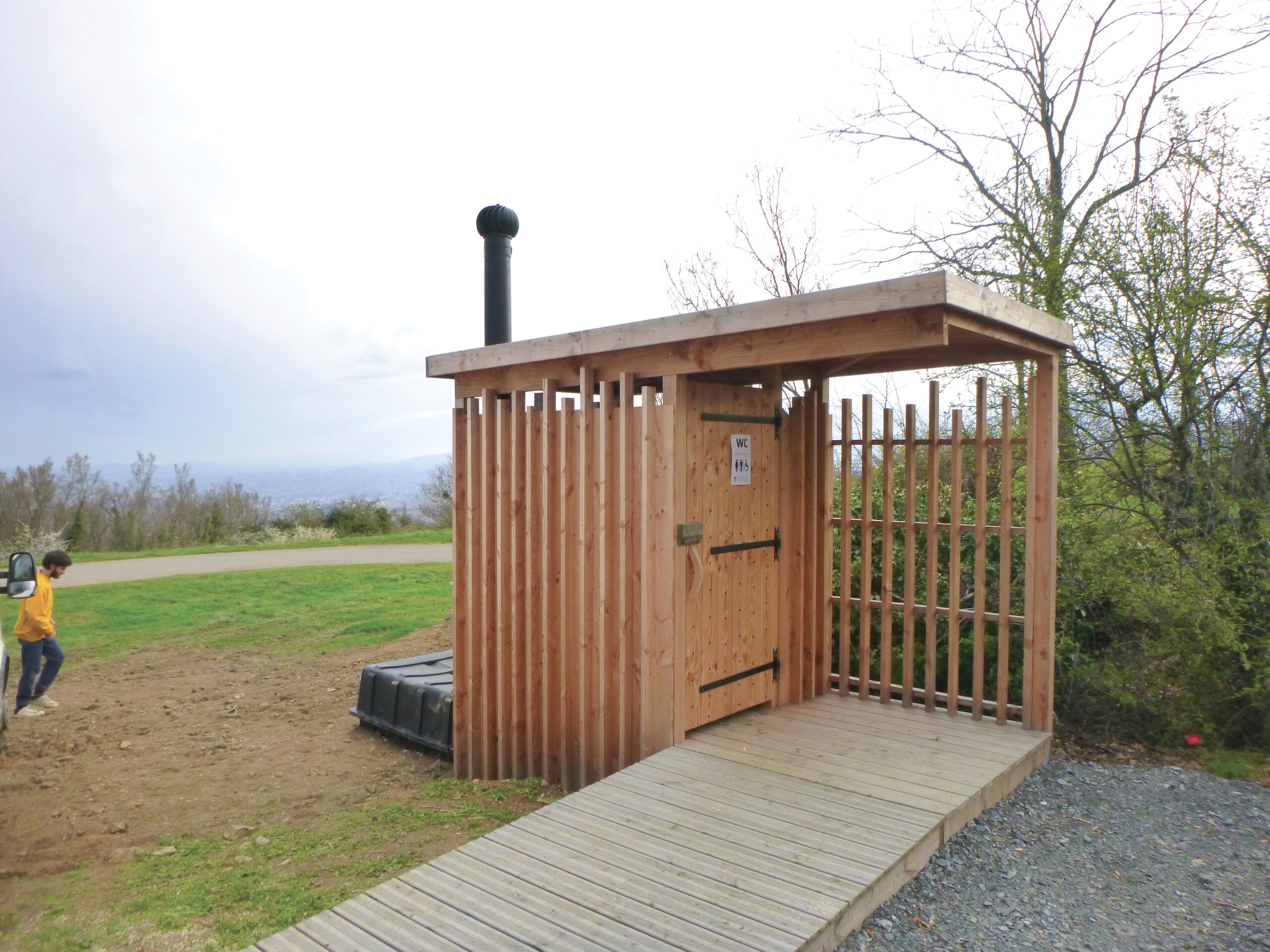

Managing visitor services in a natural park or at a sensitive tourist site involves solving a difficult equation: providing adequate sanitary facilities without damaging the environment, without overburdening infrastructure that is often nonexistent or limited, and without increasing the operational workload of field staff. SANISPHERE supports the managers of these sites in this process, with solutions designed to address the real-world challenges on the ground.
Why Natural and Tourist Sites Need Water-Efficient Restrooms
Natural parks, reserves, designated sites, and high-traffic tourist areas share a common characteristic: the pressure that visitor traffic places on local resources. Water is often a scarce resource or difficult to access in these areas; sewage systems are either nonexistent or overwhelmed; and regulatory constraints related to the preservation of the natural environment are particularly strict.
A conventional toilet uses between 6 and 9 liters of water per flush. At a site that receives several hundred visitors a day, the volume of water used and wastewater produced quickly exceeds the site’s capacity. Dry toilets address this problem at the source: they use no water, produce no liquid effluent that needs to be treated, and do not require a connection to a sewer system.
The specific challenges of a nature park or tourist attraction
A natural site is not an urban area. The constraints there are of a different nature and often cumulative. Access may be difficult, the soil may be fragile, construction standards may be strict, and the timeframe for work may be limited by seasonality or weather conditions.
Added to this is a requirement for integration: restroom facilities visible from a trail, a rest area, or a lookout point can detract from the quality of the visitor experience if their placement has not been carefully considered. Managers of parks and designated sites must also navigate specific regulations—particularly in Natura 2000 areas or designated sites—that strictly govern construction and installations.
Landscape Integration, Visitor Traffic, and User Comfort
Landscape integration is not merely an aesthetic detail: it determines whether visitors and regulatory authorities will accept the facility. A well-integrated restroom facility, whose design blends into the site’s surroundings, becomes invisible in the best sense of the word: it is where it is needed, without disrupting the natural character of the place.
Sizing is the other critical variable. A site that is under-equipped with restroom facilities leads to problematic behavior: littering outside designated areas, damage to the natural environment, and visitor complaints. An over-equipped site requires a disproportionate amount of maintenance resources. Proper sizing depends on actual visitor numbers, their distribution throughout the day and across the season, and the natural flow patterns of visitors.
Compliance, Maintenance, and Service Organization
Regulatory compliance for a sanitation facility on a natural site depends on the type of site, its classification, and local zoning regulations. In certain protected areas, a prior notification or specific permit is required. SANISPHERE assists managers in identifying the necessary steps to take to avoid installations that could be challenged.
Maintenance is essential for long-term success. Equipment that is well-chosen and properly installed but poorly maintained quickly becomes a source of problems. At a tourist site, the frequency of maintenance must be tailored to peak visitor numbers—which are often concentrated on weekends and during the summer months—and planned for from the project’s design phase.
How Dry Toilets Enhance the Visitor Experience
Visitors who find restrooms that are clean, accessible, and well-integrated into the site come away with a positive impression that goes beyond simply having a need met. Conversely, the absence of restrooms or their poor maintenance is one of the leading causes of negative reviews on tourist review sites.
Properly managed dry toilets offer a perfectly acceptable level of comfort for the general public, provided they are maintained regularly and the equipment is designed for heavy use. They also help reinforce the site’s environmental message: a nature park that chooses eco-friendly restrooms sends a clear signal about its values and the quality of its management.
What criteria should be considered for a project in a sensitive area?
Several criteria influence the selection of a sanitation solution for a natural or tourist site. The treatment capacity must be tailored to peak visitor numbers, not average visitor numbers. The system’s autonomy must align with the frequency of maintenance visits possible at the site. The design must allow for seamless integration into the landscape. And the solution must be operable by on-site staff without extensive training.
Ease of maintenance is a criterion that is often underestimated during the project phase: at a remote site, a difficult or costly technical intervention can jeopardize service continuity and result in closures that are inconvenient for visitors.
Why a Turnkey Solution Is a Game-Changer
At a natural or tourist site, management teams rarely have the in-house technical expertise to oversee a sanitation project from start to finish. The site feasibility study, model selection, installation logistics, commissioning, and maintenance planning involve a series of decisions that go beyond the usual scope of a park or site manager.
A turnkey solution allows you to transfer this complexity to a specialized service provider who understands the constraints on the ground and knows how to anticipate difficulties. The project manager retains control of the project without having to shoulder the technical burden.
Are you interested in exploring the possibility of installing dry toilets at your tourist site? Contact SANISPHERE for an analysis tailored to your specific situation. Discover SANISPHERE Solutions
Frequently Asked Questions
Are dry toilets allowed in protected natural areas? It depends on the site’s classification and local zoning regulations. In many cases, a prior notification is sufficient. SANISPHERE assists facility managers in identifying the necessary steps.
How can we handle the summer traffic spikes? Capacity planning should be based on peak attendance, not on the annual average. Maintenance frequency should also be increased during periods of high attendance.
Do visitors generally accept dry toilets? Acceptance depends on the cleanliness of the equipment and the quality of its maintenance. Clean, well-designed equipment is readily accepted by the vast majority of visitors.
Do I need a water or electricity connection? No. That is one of the solution’s major advantages for remote sites or those with limited network connectivity.
Who performs maintenance at a hard-to-reach site? SANISPHERE organizes maintenance logistics while taking into account the access constraints specific to each site.