

Why Dry Toilets Are of Interest to Local Governments
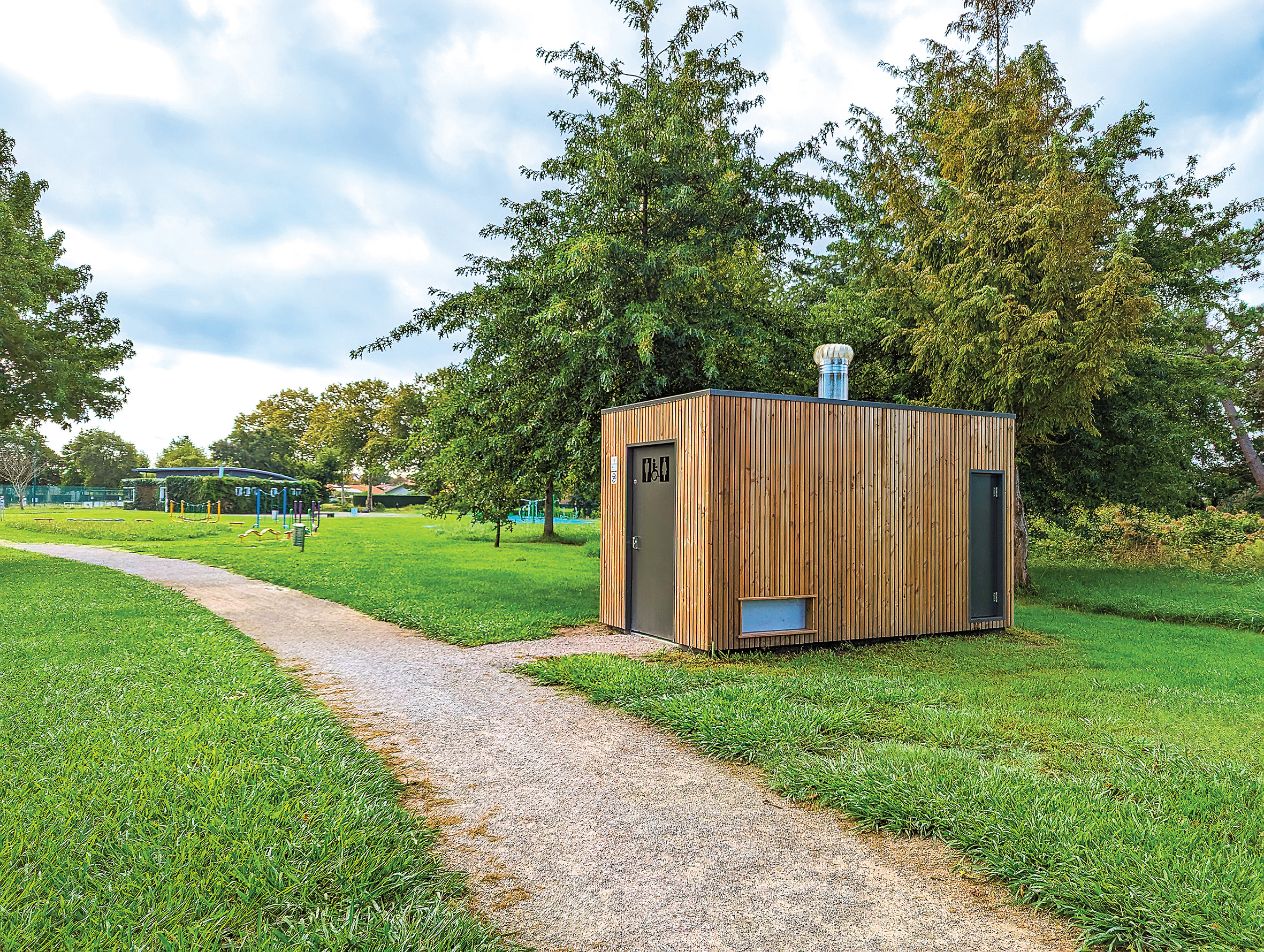
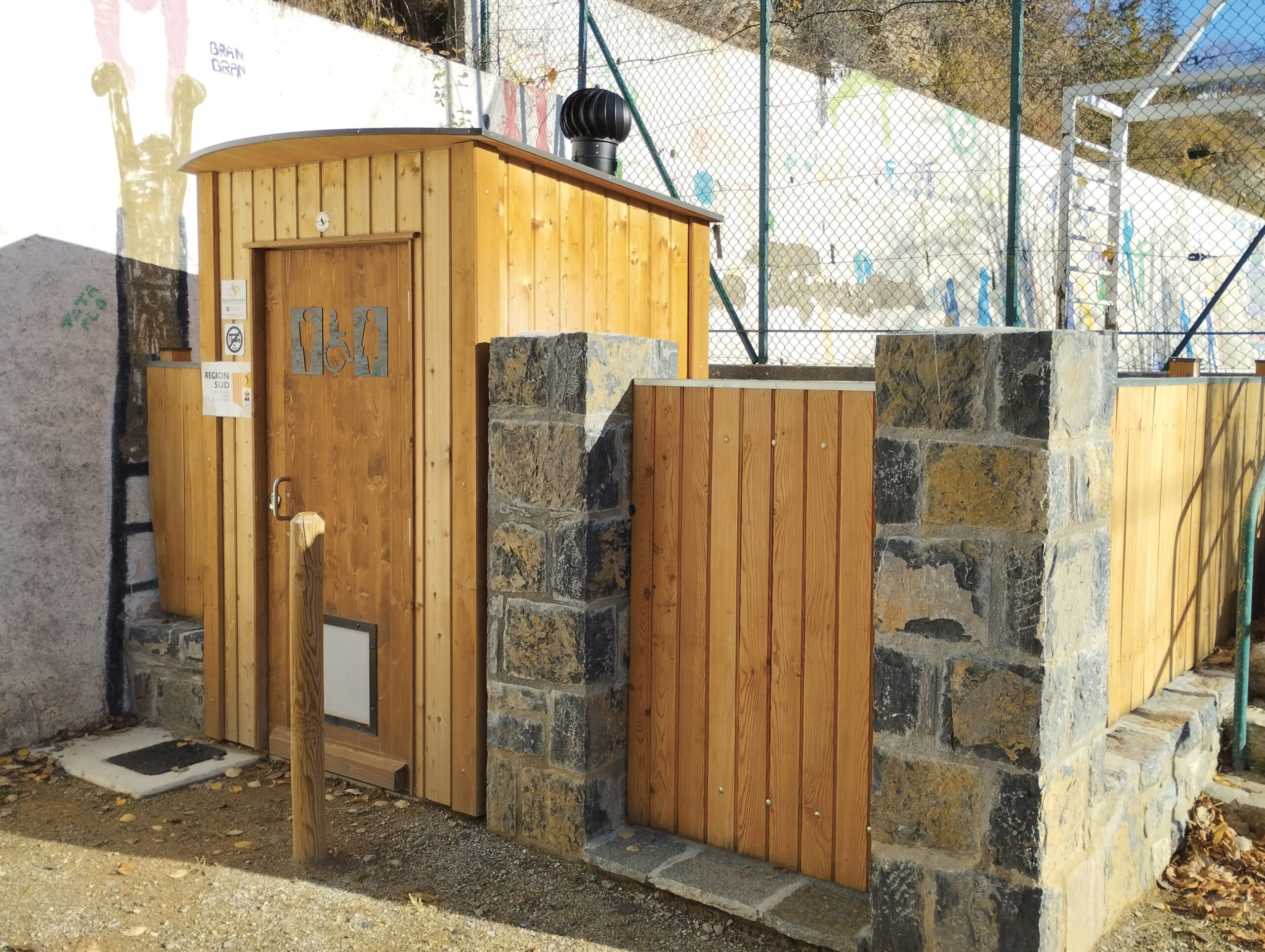
Faced with the challenges ofwater andsanitation, more and more local governments are seeking sustainable for their public facilities. The dry toilets represent a reliable reliable and eco-friendlysolution, suitable for parks, public squares, tourist areas, and small rural . SANISPHERE, a French manufacturer with 30 years of expertise and a patented technology, supports local governments in the design,installation and management of dry toilets to optimizesanitation without resorting todrinking drinking water. The dry toilets can be offered as stand-alone or integrated intosanitation projects, in order to meet the constraints of public spaces and improve the quality of the environment. By limiting the use ofwater, the dry directly contribute to sustainable resource management and a reduction in environmental impactsenvironment.
Benefits of Dry Toilets for Communities
The local governments choose dry toilets for several practical reasons:
- Reduction inwater and reduced pressure on thesewage systems thanks to dry toilets.
- Solution eco-friendly that reduces liquid discharge and promotes the recycling of organic from dry .
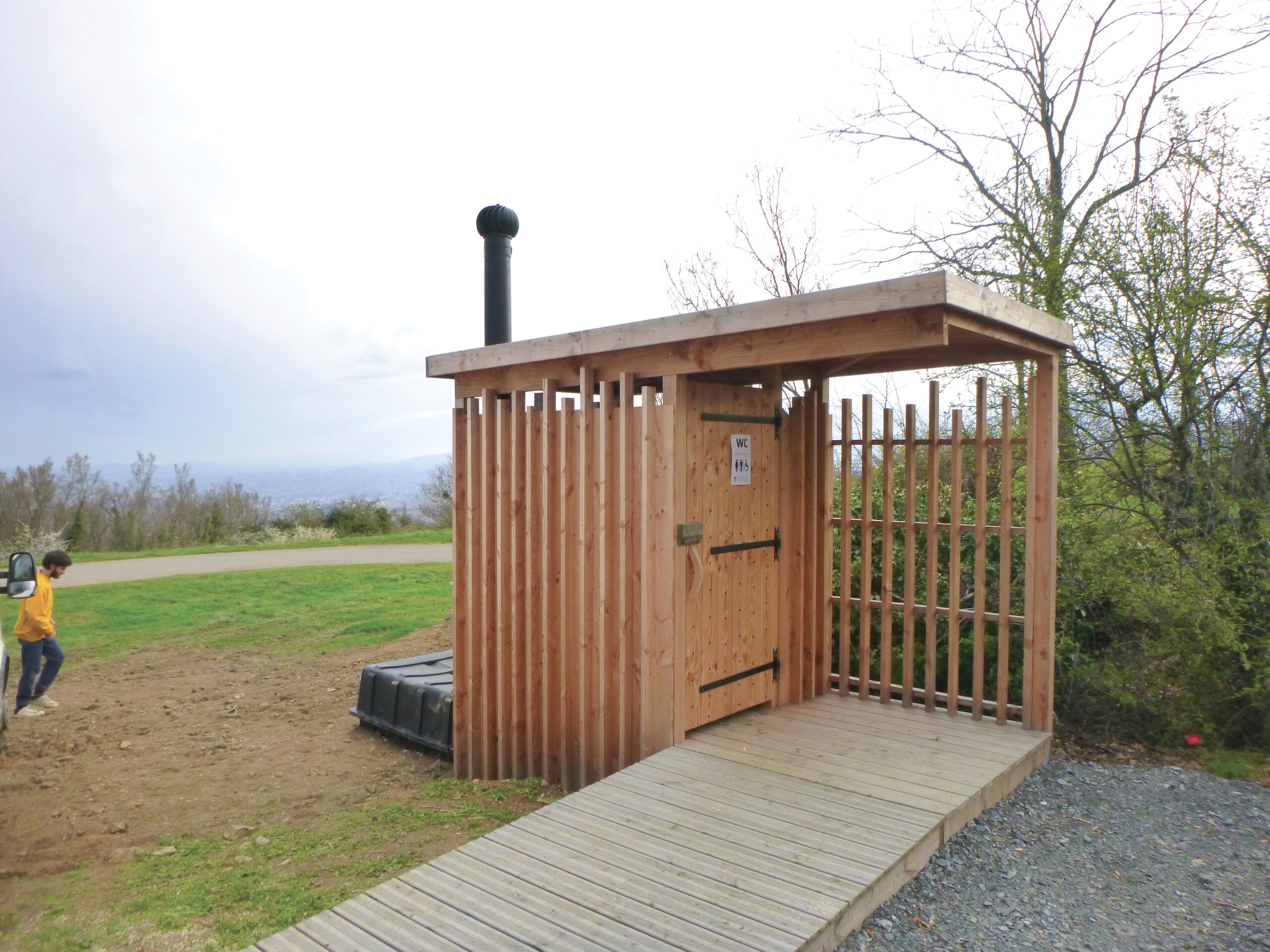
- Adaptation to remote in remote locations sewer orwater, with modular and self-contained self-contained dry toilets.
- Reduction of indirect costs related tosewage treatment (less network maintenance, less pumping).
- Option to install equipment tailored to number of visitors of the venue and the type ofuse, with simplified simplified management of materials for the municipality.
Impact on Sanitation and the Environment
By limiting the use ofwater and by managing management of materials, dry toilets reduce the burden onsewage treatment systems. The composting allows for the transformation of organic into soil amendments where local regulations permit it, providing a direct benefit to theenvironment and local resource recovery. This solution environmentally friendly solution that reduces effluent and contributes to better resource of resources, while providing users with comfortable . Local authorities can thus improve local sanitation without increasing the use ofwater, and reduce the nuisances associated with liquid effluent.
Types of Installation and Site-Specific Adaptations
There are several types of dry toilets depending on usage and the layout of the site. The choice of system depends on the level of traffic, the location, and thesanitation. A Installation that is properly sized helps optimizemaintenance and simplifies management of materials for the community.
Choosing the Right System
To determine the best system, the audit of the site assesses the foot traffic, andsewage treatment, andmaintenance , and the potential for composting. A installation Successful installation involves equipment and a system for liquid drainage, if necessary, and a management of materials. Service providers offer technical data sheets and diagrams for each type of dry toilets, so that the community can compare the costs ofinstallation and the terms ofmaintenance. Maintenance, Management, and Compliance
Theinterview of dry toilets is a key component in ensuring the use public and the long-term viability of facilities. A proactive includes:
- Regular inspections to check the condition of the equipment and the cleanliness of the restrooms.
- A schedule ofmaintenance tailored to level of use of the site and thesewage.
- Procedures for the recovery and treatment of materials (sorting, storage, composting where possible) to ensure compliance with health regulations.
These solutions help prevent nuisances and ensure compliance with sanitary . Technical departments can establish maintenance contracts for the restrooms to ensure long-term service and to maintain a record of waste removal and treatment operations waste.
Technical Definitions
Sanitation : all techniques used for the removal or treatment of wastewater and substances, in order to protect public health and theenvironment. dry toilets are a sanitationsanitation that reduces the use ofwater and liquid discharge.
Composting : a controlled biological process that transforms organic into a stabilized product that can be used in agriculture or landscaping, subject to regulatory compliance.
System (or system): a complete technical system (tank, separation, ventilation) that ensures the proper functioning of dry toilets and the management of waste. Proper sizing of the system ensures minimal maintenance and improved hygiene.
Materials : a term encompassing feces, sewage, and organic matter added to promote absorption and dehydration. The management of waste is part of thesanitation and ecological. Composting is a viable option, provided that appropriate expertise is available and current health and regulatory standards are followed.
Best Practices Before Installation
- Conduct an assessment of the site (area, traffic, and sanitary).
- Select the type of dry toilet based on usage and sanitationsanitation.
- Develop a plan formaintenance and a management of materials.
- Inform users about theproper to ensure the hygiene and durability of the restrooms.
Before anything else installation, it is important to check local regulations: some municipalities allow composting of material from toilets, while others impose strict conditions. If the solution chosen is not compliant with regulations, thesystem or provide for an alternative method of treating the materials. The local authority will also need to organize the management Operational facilities and ensure that the equipment is maintained regularly.
The dry toilets are a proven proven and eco-friendly for local governments seeking to optimizesewage treatment and reduce the use ofwater. Whether your location Whether it’s a small village square, a municipal park, or a tourist area, there are solutions to suit your needs. Contact SANISPHERE for a Customized audit of your website and a proposal forinstallation that is reliable and compliant with health and safety. Our teams support the local governments step by step, without imposing a solution that is not suitable, in order to ensure a benefit for theenvironment and the quality of service public. With proper management and amaintenance , the dry become a practical tool for more sustainablesanitation andwater.
Further Reading
- Get a Grant
- Local Regulations
- Specifications
- Reducing Water Consumption
FAQ
Are dry toilets suitable for all public sites?
Yes, there are several types of dry toilets suitable for different sites and levels of use. A few facilities require moremaintenance than others; a preliminary audit helps ensure the right solution. In both urban and rural areas, the restrooms can be integrated into public spaces with a management of materials that ensures accessibility for people with reduced mobility.
What impact will this have on local sanitation and water use?
The dry toilets significantly reduce water consumptionwater and the burden onsewage systems. They limit liquid effluent and facilitate the management of materials through methods such as composting where permitted. This approach is both environmentally friendly and effective in reducing the impact on theenvironment.
Are dry toilets an unsuitable solution for urban areas?
No. The dry toilets can be installed in urban areas as a supplementary solution , particularly in parks or for ; ; you just need to plan for suitable management materials and equipment. Experience shows that, when well designed, the restrooms are accepted and appreciated by users, and that they provide a real benefit to theenvironment.